

10 Responsible Pet Care Tips Getting a pet is one of the best decisions a person can make. They bring a kind of joy to daily life that is hard to explain until you have experienced it. But along with that comes real responsibility, because a pet depends on you for literally everything. Their food, their health, their safety, their happiness. All of it sits with you.
The good news is that responsible pet care does not need to be complicated or expensive. Most of it comes down to consistency and paying attention. Here are ten pet care tips that every owner should know, whether you just brought home your first puppy or you have had animals your whole life.
1:Provide Balanced Nutrition
What your pet eats every single day has more impact on their long term health than almost anything else. A good diet supports their immune system, maintains a healthy weight, keeps their coat in good condition, and reduces the risk of chronic diseases like diabetes, kidney disease, and heart problems
For dogs, that means a high-quality food where a named protein like chicken, beef, or salmon is the first ingredient. Avoid foods that lead with corn syrup, animal by-products, or a long list of artificial additives. For cats, nutrition is even more critical because they are obligate carnivores. They need meat-based protein and cannot thrive on plant-heavy diets the way some dogs can.
Treats count toward daily calories too. Keep them to around 10 percent of what your pet eats in a day and choose options made from real ingredients. Our full guide on healthy treats for dogs covers the best options if you want ideas that are actually good for them.
Always have fresh water available and change it daily. Hydration matters more than most people realize, especially for cats who tend to drink less than they should.
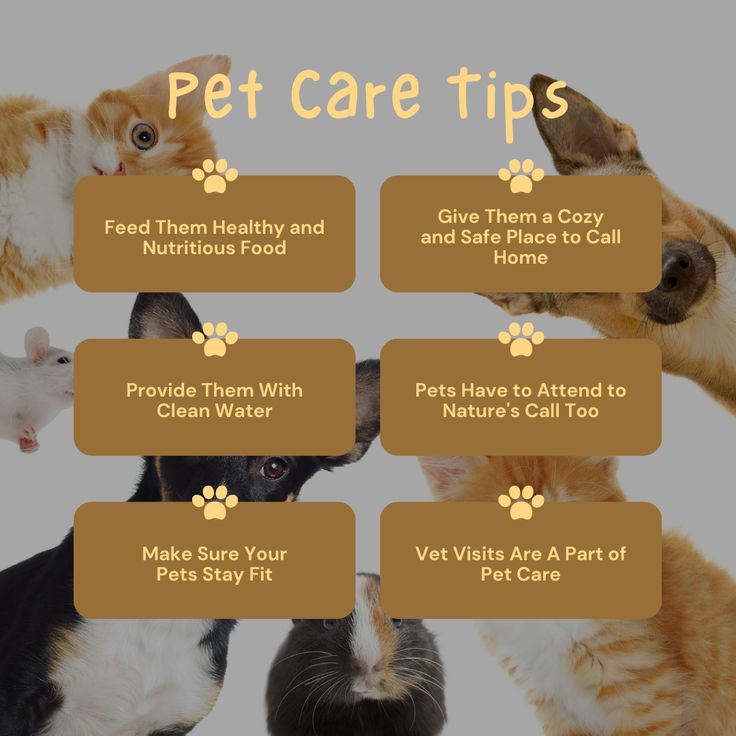
2. Regular Exercise for Mental Stimulation
Exercise is not just about keeping your pet physically fit. It is about keeping their mind active too. A dog that does not get enough physical and mental stimulation becomes anxious, destructive, or withdrawn. The same is true for cats, though their needs look a little different.
Dogs generally need at least 30 minutes of exercise a day, with more active breeds needing considerably more. This does not have to be structured runs or long hikes. Daily walks, backyard play, fetch, and even sniff walks where you let them stop and explore at their own pace all count.
For cats, interactive play with feather wands, laser pointers, or puzzle feeders keeps their hunting instincts engaged. Even ten to fifteen minutes of active play twice a day makes a visible difference in their mood and behavior.
Mental stimulation through training, new environments, and social interaction counts just as much as physical activity. A tired dog who has used their brain is far more settled than one who just ran around a field.
3. Routine Veterinary Check-ups
This is one of the most important and most skipped pet care tips on this list. Many owners only take their pet to the vet when something is obviously wrong. By that point, a condition that could have been caught and managed early has often progressed.
Annual wellness exams allow your vet to catch issues before they become serious. Things like dental disease, early kidney changes, heart murmurs, and weight gain all show up in a routine check long before your pet shows obvious symptoms. In older pets, twice yearly visits are worth considering because animals age faster than we do and things change quickly.
Keep vaccinations up to date, stay on top of parasite prevention, and do not skip the annual bloodwork your vet recommends. It feels like a cost until the day it catches something early and saves you a much bigger bill and your pet a lot of suffering.
4. Cleaning and Grooming
Grooming is about more than appearances. Regular brushing removes dead hair, distributes natural oils, and gives you a chance to check for lumps, skin irritation, ticks, or anything else that should not be there. Long-haired breeds need daily brushing to prevent painful matting. Short-haired breeds still benefit from a weekly brush.
Nails should be trimmed every three to four weeks. Overgrown nails change the way a dog or cat walks and can eventually cause joint pain. If you can hear your dog’s nails clicking on the floor, they are already too long.
Ears need checking weekly, especially in dogs with floppy ears that trap moisture. A quick look for redness, dark discharge, or a yeasty smell is all it takes. If you want to know how to clean them properly at home, our step by step guide on how to clean dogs ears at home walks you through the whole process.
5. Training and Socialization
A trained pet is a safe pet. Basic commands like sit, stay, come, and leave it are not just party tricks. They can prevent your dog from running into traffic, eating something dangerous, or reacting badly to another animal. Training also builds a communication channel between you and your pet that makes every other aspect of care easier.
Socialization is equally critical, especially in the first few months of a puppy or kitten’s life. Positive exposure to different people, environments, sounds, and animals during that early window shapes how confident and calm they will be as adults. A well-socialized pet is less stressed, less reactive, and easier to manage in new situations.
For a detailed look at training from the beginning, our guide on how to train a puppy at home covers the first commands and how to build good habits from day one.
6. Give Them a Safe and Comfortable Environment
Your home should be a place your pet feels genuinely secure. That means removing hazards, giving them their own space, and making sure they are not constantly exposed to stress.
For dogs, a crate or designated bed in a quiet corner gives them somewhere to decompress. For cats, vertical space like cat trees or shelves lets them observe their environment from a height, which is where they feel most secure.
Check your home for hazards at your pet’s level. Electrical cords, toxic plants like lilies and aloe vera, open washing machine doors, small objects that could be swallowed, and unsecured rubbish bins are all common dangers that are easy to fix.
7. Pest Prevention
Fleas, ticks, heartworm, and intestinal parasites are not just unpleasant. They cause real health problems and some of them are genuinely dangerous. Fleas can cause anemia in small animals and transmit tapeworms. Ticks carry Lyme disease. Heartworm, if not prevented, causes severe damage to the heart and lungs.
The simplest approach is a monthly preventative treatment recommended by your vet. There are combination products that cover fleas, ticks, and heartworm in one dose. Do not rely on natural remedies alone for parasite prevention. They do not provide reliable protection against the serious risks.
Check your dog for ticks after every walk in long grass or wooded areas, especially during warmer months. Remove any you find promptly and correctly using a tick removal tool.
8. Regular Dental Care
Dental disease affects the majority of dogs and cats over the age of three, and most owners have no idea it is happening because the signs are subtle until the problem is advanced. Bad breath, difficulty eating, drooling, and pawing at the mouth are signs that something is already wrong.
Daily tooth brushing with a pet-safe toothpaste is the gold standard. If your pet will not tolerate a brush, dental chews, water additives, and dental wipes are all better than nothing. Annual professional dental cleanings under anesthesia are recommended for most pets once tartar builds up to a level that cannot be removed at home.
Starting dental care early, while your pet is young and adaptable, makes it much easier to maintain as they age.
9. Spaying and Neutering
Having your pet spayed or neutered is one of the most impactful responsible pet care decisions you can make. Beyond the obvious benefit of preventing unwanted litters, it reduces the risk of several serious health conditions. Spayed females have a significantly lower risk of mammary tumors and uterine infections. Neutered males are protected against testicular cancer and have reduced risk of prostate problems.
Behavioral benefits are real too. Neutered males are generally less likely to roam, mark territory indoors, or show aggression. The procedure is routine, recovery is quick, and the long term health benefits far outweigh the short term cost.
Talk to your vet about the right timing for your specific breed. For larger breeds, some vets now recommend waiting a little longer before neutering to allow full physical development.
10. Love and Attention
This last one sounds obvious but it deserves to be said clearly. Pets are not ornaments. They are social animals that need genuine connection, time, and affection to thrive.10 Responsible Pet Care Tips Every Pet Owner Should Know
Dogs especially can develop serious anxiety, depression, and behavioral problems when they are left alone for long periods without enough human interaction. Even cats, who have a reputation for independence, are more social than people assume and suffer when ignored.
Spend time with your pet every day. Not just feeding and walking, but actual interaction. Sit with them. Play with them. Let them be near you while you work or watch TV. That time is not just nice for them. It is necessary.
The physical health tips in this list matter enormously. But at the end of the day, a pet who feels loved and secure is a happier, healthier animal. Everything else supports that foundation.
FAQs
How often should I exercise my pet?
Dogs generally need at least 30 minutes of exercise daily, with active breeds needing up to two hours. Cats benefit from two play sessions of around 10 to 15 minutes each day. Always adjust based on your pet’s age, breed, and health condition.
How do I create a safe and comfortable living environment for my pet?
Remove hazards at pet level including toxic plants, loose cords, and small swallowable objects. Give your pet their own designated space like a crate, bed, or cat tree where they can rest undisturbed. Keep their environment calm and predictable, especially during loud events like fireworks.
How can I help my pet adjust to new environments or changes in routine?
Introduce changes gradually where possible. Keep feeding and exercise times consistent. Bring familiar items like their bed or a worn item of your clothing to new environments. Give them extra attention and reassurance during transitions and avoid punishing any stress-related behavior.
How often should I bathe my pet?
Most dogs need a bath every four to six weeks, though this varies by breed and lifestyle. Dogs that swim often or spend a lot of time outdoors may need more frequent washing. Cats generally groom themselves and rarely need baths unless they have gotten into something or have a skin condition. Always use pet-specific shampoo.
What should I include in a pet first aid kit?
A basic pet first aid kit should include gauze and bandage material, antiseptic wipes, a digital thermometer, tweezers for tick removal, a spare lead and collar, your vet’s contact number and the nearest emergency vet, and a copy of your pet’s vaccination records. A saline solution for flushing eyes and wounds is also useful.
How do I travel safely with my pet?
Use a secure carrier or seatbelt harness in the car. Never let your pet travel loose in a moving vehicle. Bring water, their regular food, any medication they need, and a familiar blanket or toy. Stop regularly on long journeys so they can stretch and toilet. For air travel, check the airline’s specific requirements well in advance and speak to your vet about whether sedation is appropriate.