
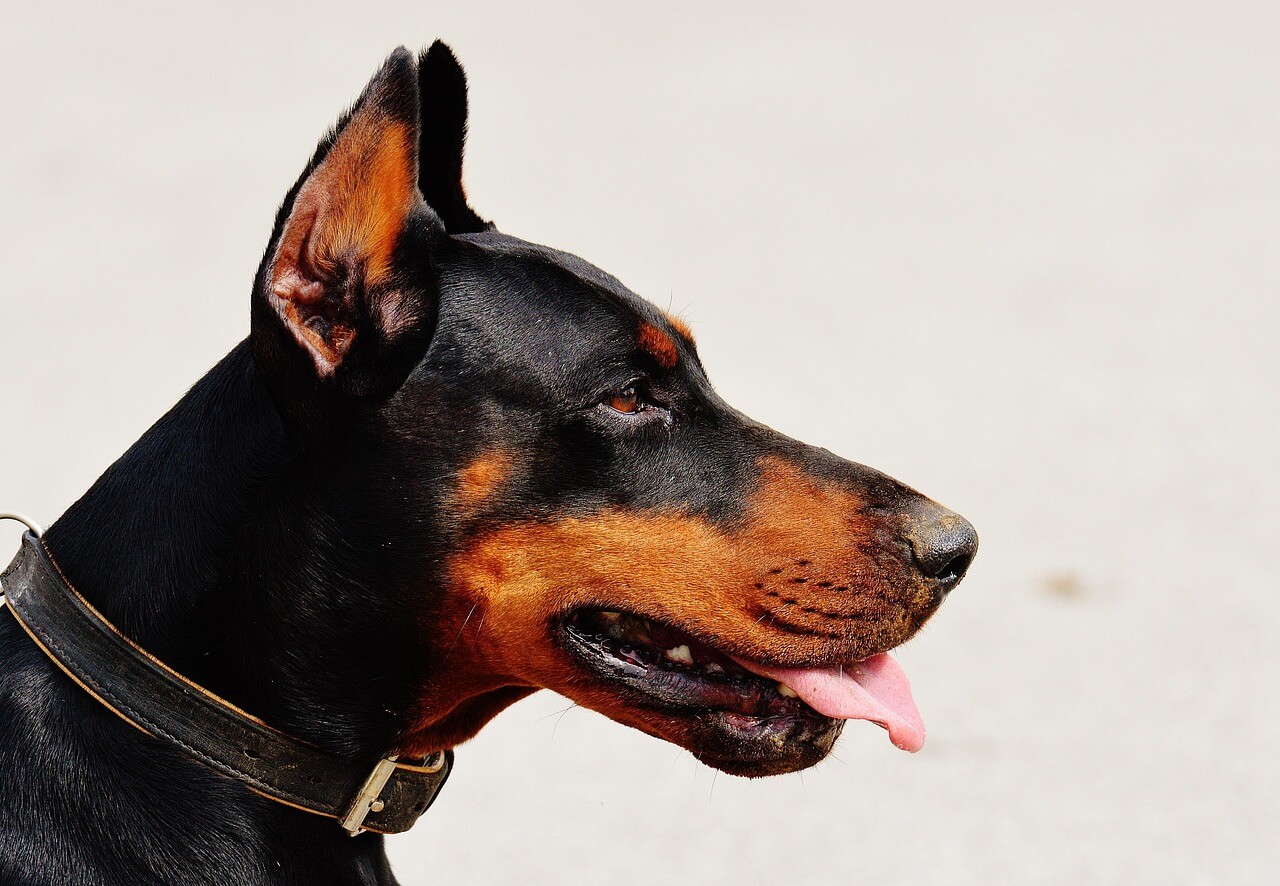
The first time I tried to clean my dog’s ears, it went badly. I had cotton swabs, I had no idea what I was doing, and my dog Bruno ended up shaking his head so hard that whatever was in his ear ended up on my shirt, the wall, and somehow the ceiling. I did not try again for three months.
That was a mistake, because dirty ears in dogs are not just gross. They lead to infections, and ear infections in dogs are painful, expensive to treat, and frustrating because they keep coming back if you do not deal with the root cause. Regular ear cleaning is one of the simplest things you can do to keep your dog comfortable and healthy, and once you know the right way to do it, the whole process takes maybe five minutes.
Here is how to clean dogs ears at home step by step, without traumatizing yourself or your dog.
Why Ear Cleaning Matters More Than Most People Think
Dogs ears are shaped differently from human ears. The ear canal in dogs runs vertically and then bends horizontally, making an L-shape. That design is great for hearing but terrible for airflow, which means moisture, wax, and debris can get trapped in there easily.
Some dogs go months without needing much intervention. Others, especially dogs with floppy ears like Cocker Spaniels, Basset Hounds, or Labrador Retrievers, need their ears cleaned every one to two weeks. Dogs that swim a lot also need more frequent cleaning because water sits in that curved canal and creates the warm, moist environment that bacteria and yeast love.
Left uncleaned, ears can develop infections that cause real pain. Dogs with chronic ear infections sometimes lose part of their hearing. Groomers and vets will clean ears as part of routine care, but doing it yourself at home keeps things consistent and saves you money over time.
What You Need Before You Start
Getting the right supplies together before you bring your dog over makes the whole process smoother. Here is what you actually need:
A veterinarian-approved ear cleaning solution. This is important. Do not use hydrogen peroxide, rubbing alcohol, or water. Hydrogen peroxide can irritate the delicate tissue inside the ear. Alcohol stings and dries out the canal. Water does not evaporate properly and encourages bacterial growth. A proper dog ear cleaner has the right pH and usually contains a drying agent. Brands like Virbac Epi-Otic, Zymox, and Vetoquinol Oti-Clens are all commonly recommended by vets. Ask your vet which they prefer.
Cotton balls or gauze pads. These are for wiping the inside of the outer ear flap and the visible part of the ear canal. Do not use cotton swabs. This point deserves repeating. Cotton swabs push debris further down into the ear canal rather than pulling it out, and they can damage the eardrum if your dog moves suddenly.
A towel. Your dog is going to shake their head, and whatever comes out of the ear is going to go somewhere. Put the towel down under them or drape it over their back.
Treats. A lot of them. Ear cleaning is not most dogs’ favourite activity and positive reinforcement makes a real difference in how cooperative they are, especially the first few times.
How to Clean Dogs Ears at Home Step by Step
Step 1: Pick the Right Time and Place
Do not try to clean your dog’s ears when they are already anxious, hyper, or overtired. A calm dog who just had a walk and is in a relaxed state is going to be much easier to work with than one who is bouncing off the walls.
Choose somewhere easy to clean up, a bathroom, a laundry room, or outside. The head shaking that happens after you put solution in the ear can fling debris several feet in every direction.
Step 2: Let Your Dog Sniff Everything First
Before you do anything, let your dog sniff the bottle of ear cleaner, the cotton balls, everything. This sounds unnecessary but it genuinely helps. Dogs process the world through smell, and letting them investigate the tools reduces the chance that they are going to panic the moment you bring something near their head.
Give a treat just for standing there calmly while you hold the bottle near them. You are building an association that this stuff leads to good things, not just getting poked at.
Step 3: Hold the Ear Flap Up and Look Inside
Gently fold the ear flap back so you can see into the ear canal. Take a quick look before you do anything else. A healthy ear should be light pink, slightly waxy, and have no strong smell. It should not be red, swollen, very dark brown, have a strong or yeasty odor, or have any discharge that looks like coffee grounds, which can indicate ear mites.
If you see any of those things, stop. Do not try to clean an infected or mite-infested ear at home. Cleaning an infected ear can drive bacteria deeper and make things worse. Call your vet instead.
Step 4: Apply the Ear Cleaning Solution
With the ear flap held up, place the tip of the ear cleaner bottle at the entrance of the ear canal. You do not need to insert it deeply, just enough to direct the solution in. Squeeze gently to fill the canal. You will know you have used enough when you can hear a soft squelching sound when you gently massage the base of the ear.
Most dogs find the feeling a little strange at first but tolerate it fine once they realize it does not hurt.
Step 5: Massage the Base of the Ear
This is the step most people skip and it is actually the most important one. With the ear flap still held back, use your thumb and fingers to massage the base of the ear, right where it meets the skull, for about 20 to 30 seconds. You will hear a wet, squishing sound as the solution works its way down into the horizontal part of the canal and loosens all the wax and debris sitting in there.
This is what actually does the cleaning. The solution breaks things up and the massaging moves it toward the opening where it can be wiped away.
Step 6: Let Your Dog Shake
Now let go and step back. Your dog is going to shake their head vigorously, and that is a good thing. The shaking helps bring the loosened debris up and out of the canal. This is exactly what the towel is for.
Step 7: Wipe Out the Ear
Take a cotton ball or gauze pad and gently wipe the inside of the ear flap and the visible entrance to the ear canal. You are only cleaning what you can see. Do not push the cotton ball down into the canal.
Wipe gently in a circular motion and use a fresh cotton ball each time one gets dirty. Keep wiping until the cotton comes away clean or only lightly discolored.
Step 8: Reward and Repeat on the Other Side
Give your dog a treat and a lot of praise after each ear. Even if they were squirmy and difficult, reward them. You want them to associate ear cleaning with treats, not just with discomfort. Over time most dogs become genuinely relaxed about the whole process because they know what comes at the end.
Repeat all the steps on the other ear.
How Often Should You Clean Your Dog’s Ears?
For most dogs, once every two to four weeks is enough. For dogs with floppy ears, dogs who swim regularly, or dogs with a history of ear infections, once a week or every ten days is more appropriate.
After a bath or a swim, always wipe the inside of the ear flap dry with a clean towel and put a few drops of ear cleaning solution in to help dry out any water that got in. This single habit prevents a huge number of infections.
Signs That Something Is Wrong
Ear cleaning at home is great for maintenance but it is not a substitute for a vet when something is actually wrong. Watch for these signs and call your vet if you notice them: excessive head shaking or scratching at one or both ears, a strong odor coming from the ears, visible redness or swelling, dark brown or black discharge, your dog wincing or pulling away when you touch near the ear, or any sign of pain around the head and neck.
Ear infections need proper treatment with the right medication for the specific bacteria or yeast involved. Using the wrong product or trying to treat an infection at home often drags the problem out and can lead to more serious damage.
A Few Things to Never Do
Never use cotton swabs inside the ear canal. Never use rubbing alcohol or hydrogen peroxide. Never insert anything deeply into the ear. Never clean ears that are already showing signs of infection. And never skip the ear check before you start, because cleaning a healthy ear and cleaning an infected one are completely different situations.
Keeping Up With the Routine
Ear cleaning is one of those things that feels like a chore until you get a rhythm going and then it becomes just another part of caring for your dog. The same way you pay attention to what goes into your dog’s body, like giving them healthy treats for dogs instead of junk, what you do for their physical maintenance on the outside matters just as much.
Clean ears mean a more comfortable dog. A more comfortable dog is a happier dog. And a happier dog makes the whole thing worth it, even the head shaking that gets debris on the ceiling.
For More Information Click
https://petnurturenest.com/