When I searched “how to train a puppy at home” three years ago, I got 47 different answers that contradicted each other. One site said use a spray bottle. Another said never raise your voice. A third swore by dominance theory. I tried all of it, none of it worked consistently, and I spent six frustrating weeks doing things that were actually making Milo harder to train, not easier.
What eventually worked was simpler than anything I had read. This guide shares that method, the exact commands I taught first, and the honest week-by-week timeline that nobody else gives you. Including the section at the end on what to do when training is not working — because both of the top-ranking guides on this topic completely ignore that question, and it is the one most owners are actually asking.
My puppy: Milo is a Shih Tzu I brought home at eight weeks old with zero previous dog ownership experience. Everything in this guide has been tested on him personally. He is now the calmest, most obedient small dog I know. It took about six weeks of consistent daily work to get there, and this guide is exactly what I followed.
The Best Age to Start Training a Puppy at Home
Day one. Not after they have settled in, not once they seem ready, not at three months when everyone tells you to start puppy classes. The moment your puppy walks through your front door, training has already begun whether you are intentional about it or not.
The prime learning window for puppies is between six and sixteen weeks old. At eight weeks they can already learn their name, sit, and basic house rules. Every day you wait inside that window is a day of learning you cannot get back. When I brought Milo home I spent his first evening just enjoying him, which was fine. By the second morning I had already started on his name and sit. Just five minutes. No pressure. By the end of week one he came to his name reliably every single time.
Here is what most new owners do not realise: if you laugh when your puppy jumps up on you, they learn that jumping gets a positive reaction. If you pick them up every time they cry, they learn that crying gets attention. If you give them a treat to stop barking, you have just taught them that barking gets rewarded. You are either training intentionally or training accidentally. There is no neutral.
Why starting early matters
Most owners who struggle with badly behaved dogs did not have bad dogs. They had a window of six to sixteen weeks where habits formed without intention, and then spent months trying to undo them. Starting on day one is the single biggest advantage you can give yourself.
The Only Puppy Training Method Backed by Science
There are about fifteen different training philosophies out there. Alpha theory, dominance-based training, pack leadership. I tried three of them before a dog trainer at my local rescue centre said something that changed everything: your dog is not trying to dominate you. They are doing whatever has worked for them before. If you change what works, you change the behaviour.
Positive reinforcement is the only method with genuine scientific backing, and it is also the most practical for beginners at home. The idea is simple: reward the behaviour you want immediately, and redirect the behaviour you do not want to something you can reward instead. That is the whole system. Every technique in this guide is just a variation of that principle.
The two-second rule is the most important technical detail. Rewards must arrive within two seconds of the behaviour or your puppy cannot make the connection between what they did and why the treat appeared. Miss that window and the reward is wasted. This is why having treats in your pocket during training sessions matters more than it sounds.
What I tried before this: I used a spray bottle on Milo for two weeks when he barked. It worked for about four seconds each time. What it actually did over those two weeks was make him visibly anxious whenever I picked anything up. He started flinching when I reached for my phone. The day I threw that bottle away and switched fully to positive reinforcement, his progress in one week exceeded everything from the previous two combined.
The 5 Essential Commands Every Puppy Needs First
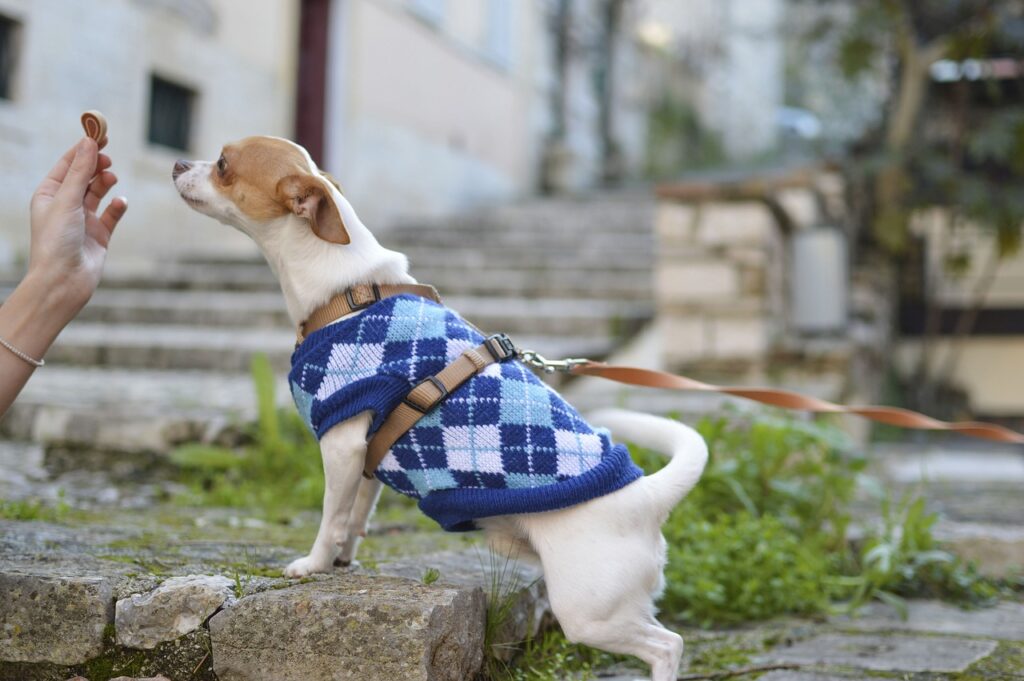
Do not overwhelm a young puppy with fifteen commands at once. These five form the foundation that everything else builds on. I am giving you the exact technique I used with Milo, not just the concept, because the technique is where most guides fall short.
Sit — start here, always
Hold a treat just above Milo’s nose and slowly move it backwards over his head. As his head follows the treat upward, his bottom lowers naturally to the floor. The moment his bottom touches down, say “sit” and reward immediately. Do not say sit before the movement happens. Say it as it happens, then reward. Most puppies understand this within two or three five-minute sessions. Milo had it on the second day.
Stay — build in seconds, not minutes
Ask for a sit first. Hold your palm out flat, say “stay,” and take one small step backwards. If they hold for two seconds, return to them and reward. Do not call them to come to you yet. Add one second every few successful repetitions. Milo was not reliable on stay until week four, which is completely normal. Rushing this is the most common mistake I see new owners make.
Come — the most important safety command
Crouch down, open your arms wide, and call your puppy’s name followed by “come” in the most excited voice you have. When they reach you, give them the biggest treat reaction of the entire training session. This should feel like a celebration every single time. One firm rule: never call your puppy to come and then immediately do something they dislike — a bath, nail trim, or the end of playtime. If “come” predicts bad things, they will stop coming.
Down — takes longer, and that is fine
From a sit, hold a treat at their nose and slowly lower it straight down between their front paws to the floor. As they follow it, they naturally move into a down position. Say “down” as it happens, then reward. Never push a puppy physically into position. It creates resistance that slows learning significantly. Milo took four full days to get this reliably. Some breeds take longer. Be patient with this one specifically.
Leave it — this command can save their life
Place a treat in your closed fist and hold it at your puppy’s nose level. Let them sniff, paw at it, and try to get it. The moment they back away even slightly, say “leave it” and reward with a different treat from your other hand. The treat in the fist is never the reward. Always reward from the other hand. Once they understand this reliably inside, practise with something on the floor while they are on a lead before trying it off lead outdoors.
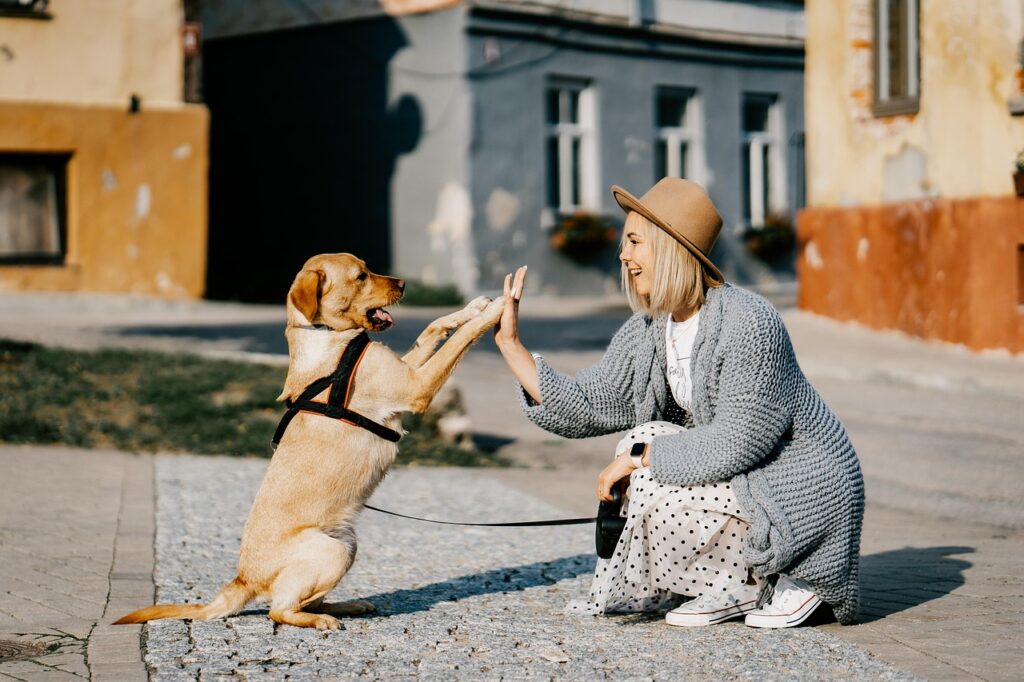
Week-by-Week Puppy Training Timeline: What to Realistically Expect
This is the section I could not find anywhere when I was training Milo, and it is the question every new owner is actually asking. What should my puppy be doing by week two? Is three weeks of accidents normal? Here is the honest timeline based on Milo’s experience and consistent feedback from other dog owners who have followed this same method.
| Period | What to focus on | Real note from Raheel |
|---|---|---|
| Week 1 | Name recognition. Sit introduction. First potty schedule set. Crate introduced with door open. | Expect four to eight accidents daily. This is normal. Keep going. |
| Week 2 | Sit becomes reliable. Stay introduced at two seconds only. Accidents reducing. Crate door closed for short periods with you in the room. | Milo held it for 90 minutes during this week. First real sign of progress. |
| Week 3 | Come introduced. Down started. Some dogs begin going to the door before accidents happen. | Most owners think it is not working at this point. It is. Stay consistent. |
| Week 4 | All five commands known but not yet reliable everywhere. Leave it introduced. Potty training clicking for most dogs. | Milo had his first full accident-free day on day 27 exactly. |
| Weeks 5 and 6 | Commands becoming reliable in familiar environments. Potty training mostly solid. Crate accepted happily. | Milo started choosing to go into his crate voluntarily during week 6. |
| Month 3 onward | Proof commands in new locations. Add distractions. Build longer duration on stay. | Start at the park, with other dogs nearby, near traffic. Each new environment resets the difficulty slightly. |
Two things to keep in mind about this timeline. First, every puppy is different. Some crack potty training in two weeks. Others take eight. Breed, individual temperament, and how consistent you are all affect the pace. Second, regression is normal. Milo forgot sit almost entirely for three days in week three. I was worried. By day four he was back and more reliable than before. Stick with the schedule. The progress always comes back.
How to Potty Train a Puppy at Home
Potty training comes down to two things: a consistent schedule and zero punishment. Puppies have almost no warning before they need to go, and they cannot connect your frustration to something they did thirty seconds ago. Scolding an accident teaches them nothing except to be nervous around you.
1
Take your puppy outside every one to two hours. Always after eating, drinking, waking up, and any play session. Small bladders empty fast and the urge comes with almost no warning.
2
Go to the same spot every time. The familiar smell triggers the urge to go. Stand quietly and give them three to five minutes. Do not play or distract them during this time.
3
Celebrate the moment they finish outside. Treat plus genuine excited praise, immediately. Not after you walk back inside. The reward needs to happen outside, in the spot, within two seconds of finishing. This single moment of reward is the entire mechanism of potty training.
4
For accidents inside, clean and move on. Use an enzymatic cleaner that breaks down the scent completely. If they can smell a previous accident, they will return to the same spot. No scolding, no rubbing their nose in it. Just clean it up calmly and reset.
Potty Training in an Apartment
Most guides on this topic assume you have a garden. If you live in a flat or apartment building, the same principles apply but the logistics are harder. You cannot get outside in thirty seconds, which means you need to be even more proactive about the schedule. When Milo shows signs of needing to go — sniffing the floor, circling suddenly, stopping play and acting restless — your window is about sixty seconds. Know your building’s fastest route outside and use it every single time.
Training pads near the door can work as a temporary bridge during the early weeks, but treat them as a stepping stone, not a permanent solution. The goal is always outside. Once your puppy is consistently using the pad, move it incrementally closer to the door, then eventually replace it with outdoor trips completely.
Internal link — add this here
Read our full guide: How to Potty Train a Puppy Fast
https://petnurturenest.com/potty-train-puppy-fast
Crate Training a Puppy
Before I understood crate training I felt guilty even looking at one. It looked like a cage. Now, two years on, Milo goes into his crate voluntarily every single night, with no door on it at all. That is not a dog who was traumatised. That is a dog who has a safe, familiar space he genuinely prefers for sleeping.
Crate training also speeds up potty training significantly because puppies instinctively avoid soiling where they sleep. A puppy in a properly sized crate learns to hold it longer, which accelerates the entire potty training timeline.
1
Place the crate in a busy room, not somewhere isolated. Put a soft blanket and a worn item of your clothing inside. The familiar smell is genuinely calming for puppies in those first anxious nights away from their litter.
2
Leave the door open for two full days. Drop treats inside without closing the door. Feed meals inside with the door open. Let your puppy explore it entirely on their own terms.
3
Close the door for two minutes while you stay in the room. Once they eat comfortably inside with the door closed, gradually increase the closed time: five minutes, ten, twenty, thirty. Never rush this step.
4
Never use the crate as punishment. The moment the crate becomes associated with something negative, you have to start the entire introduction process again from the beginning
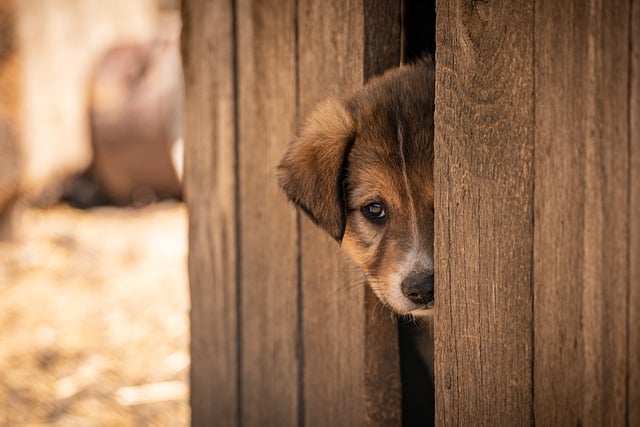
What to Do When Puppy Training Is Not Working
Both of the top-ranking articles on this topic stop at the point where everything goes right. Real training does not work like that. Here is what to do when it goes wrong, because at some point it will, and knowing what to do next is what separates owners who give up from owners who end up with well-trained dogs.
The problem
What to actually do
Puppy refuses treats during training
Try higher-value rewards: small pieces of cooked chicken or cheese. Always train before meals, not after. If the environment has a squirrel in it, go inside.
Puppy seems to forget commands they already knew
This is regression and it is completely normal between weeks three and five. Go back to basics in a quiet room. Rebuild confidence with commands they know well before pushing forward again.
Commands work at home but nowhere else
You have not proofed the commands yet. Each new environment resets the difficulty. Start in your front garden, then a quiet street, then a park. Expect about fifty percent performance in a new location until they adjust.
One family member keeps undoing progress
The rules have to be identical for every person your puppy interacts with. If jumping gets rewarded by anyone in the house, your puppy will keep jumping with everyone. Sit everyone down before you start and agree on a clear set of rules.
Nothing seems to be working after four weeks
Look at consistency first. Most training failures are not method failures. They are consistency failures. Are sessions happening every day? Is everyone in the house following the same rules? Fix those two things before changing the method.
When to call a professional: if your puppy is showing aggression toward people or other animals, or if fear-based behaviours are getting worse after six weeks of consistent positive reinforcement, bring in a certified trainer. Look for someone with a CPDT-KA qualification who uses reward-based methods only. One session with the right trainer can save you months of frustration and prevent problems from becoming ingrained.
Your Daily Puppy Training Schedule
Three short sessions a day will always produce better results than one long session. After about ten minutes a puppy’s brain stops absorbing new information efficiently. Continuing past that point does not just waste time — it can create negative associations with training if the session starts to feel boring or overwhelming. Here is the schedule I followed with Milo from week one.
Morning 7am
Potty break immediately on waking. Five minute training session covering sit and stay. Breakfast served in the crate with the door open.
Midday 12pm
Potty break. Five minute training session covering come and down. Nap in crate. Potty break again the moment they wake up.
Evening 6pm
Potty break. Ten minute training session covering all five commands. Dinner. Calm quiet time after — no rough play within an hour of bedtime.
Night 9pm
Final potty break. Settle in crate. No exceptions on the night routine — consistency here directly affects how quickly potty training clicks.
End every session on a win. Always finish with a command your puppy can do successfully so the session ends on a positive note. This keeps training something they look forward to rather than something they endure.
Five Puppy Training Mistakes That Slow Everything Down
1
Rewarding too late. The treat must arrive within two seconds of the behaviour. Miss that window and your puppy cannot make the connection. If you missed it, skip the reward entirely rather than confuse them with a delayed one.
2
Different rules from different people. If jumping on guests gets rewarded by one person, your puppy will keep jumping on everyone. The training rules have to be the same across every person your puppy interacts with, without exception.
3
Training sessions too long. Five to ten minutes per session, two to three times a day. More sessions at shorter length always beats fewer sessions at longer length. I wasted weeks with thirty-minute sessions before I understood this.
4
Skipping socialisation in favour of commands. A puppy that knows all five commands but is terrified of strangers, traffic, or other dogs is not a well-trained dog. Between eight and sixteen weeks, expose your puppy to different people, sounds, surfaces, and environments every single day. You cannot teach confidence later the way you can build it now.
5
Giving up after a bad day. Every puppy has days where they seem to have forgotten everything. Milo had three of them inside the first month. Every single time, the progress came back within twenty-four hours. Stay consistent. Bad days are part of the process, not evidence that the process is not working.
Frequently Asked Questions
How long does it take to train a puppy at home?
Basic commands like sit and come take one to two weeks of daily practice. Reliable potty training usually takes four to six weeks. Full consistent obedience across different environments and distractions takes three to six months. Milo was responding reliably to all five core commands by the end of week three.
What is the easiest first command to teach a puppy?
Sit. The hand lure movement naturally guides puppies into the position, which means they are learning to respond to the lure and associating the word with something they are already doing. Most puppies understand it within two or three sessions. Always start here before moving on to anything else.
How do I train a puppy at home without treats?
Treats are the most effective reward for most puppies but not the only one. Some puppies respond better to a favourite toy or a short game of tug as their reward. Genuine excited praise also works for puppies that are very attention-motivated. The key is finding what your specific puppy actually wants and using that consistently.
At what age should a puppy be fully trained?
Basic manners and the five core commands are achievable by four to six months with consistent daily work. Training should continue throughout your dog’s life because reinforcing good behaviour is an ongoing process. The work you put in during the first six months shapes your dog’s behaviour for the rest of their life.
Is it too late to train a six-month-old puppy?
Not at all. Six months is still very young. The learning window between six and sixteen weeks is the most efficient time to train, but dogs can and do learn new behaviours at any age. The same positive reinforcement method applies. Start today and you will see results within two to three weeks.
My puppy only listens sometimes. What am I doing wrong?
Selective listening is almost always caused by one of three things: the command has not been proofed in enough different environments, the reward is not valuable enough to compete with the distraction, or someone in the household is inconsistently applying the rules. Go through all three of those before changing your training method.
Final Thoughts from Raheel
Training a puppy at home does not require expensive classes, professional equipment, or any special knowledge beyond what you have just read. It requires positive reinforcement applied consistently, a schedule you actually stick to, and the patience to keep going when bad days make you question whether any of it is working.
Milo was a handful for the first month. Accidents every day, barking at every car that passed, and a frustrating habit of ignoring every command the moment a guest walked in. The dog he is today — calm, obedient, and a genuine pleasure to live with — is the direct result of six weeks of consistent daily work using exactly the schedule and methods in this guide. Nothing special. Just patience and consistency repeated every single day.
If you have a question about your specific situation — your breed, your puppy’s age, a particular behaviour problem you are stuck on — leave it in the comments below. I read every single one and reply personally.
How to Potty Train a Puppy Fast — https://petnurturenest.com/potty-train-puppy-fast
Crate Training a Puppy at Night —https://petnurturenest.com/crate-training-puppy-night
How to Stop a Dog from Barking — https://petnurturenest.com/how-to-stop-dog-from-barking
Best Dog Food for Small Breeds — https://petnurturenest.com/best-dog-food-small-breeds
Dog Separation Anxiety Tips —https://petnurturenest.com/dog-separation-anxiety-tips
About Raheel Kamal —https://petnurturenest.com/