
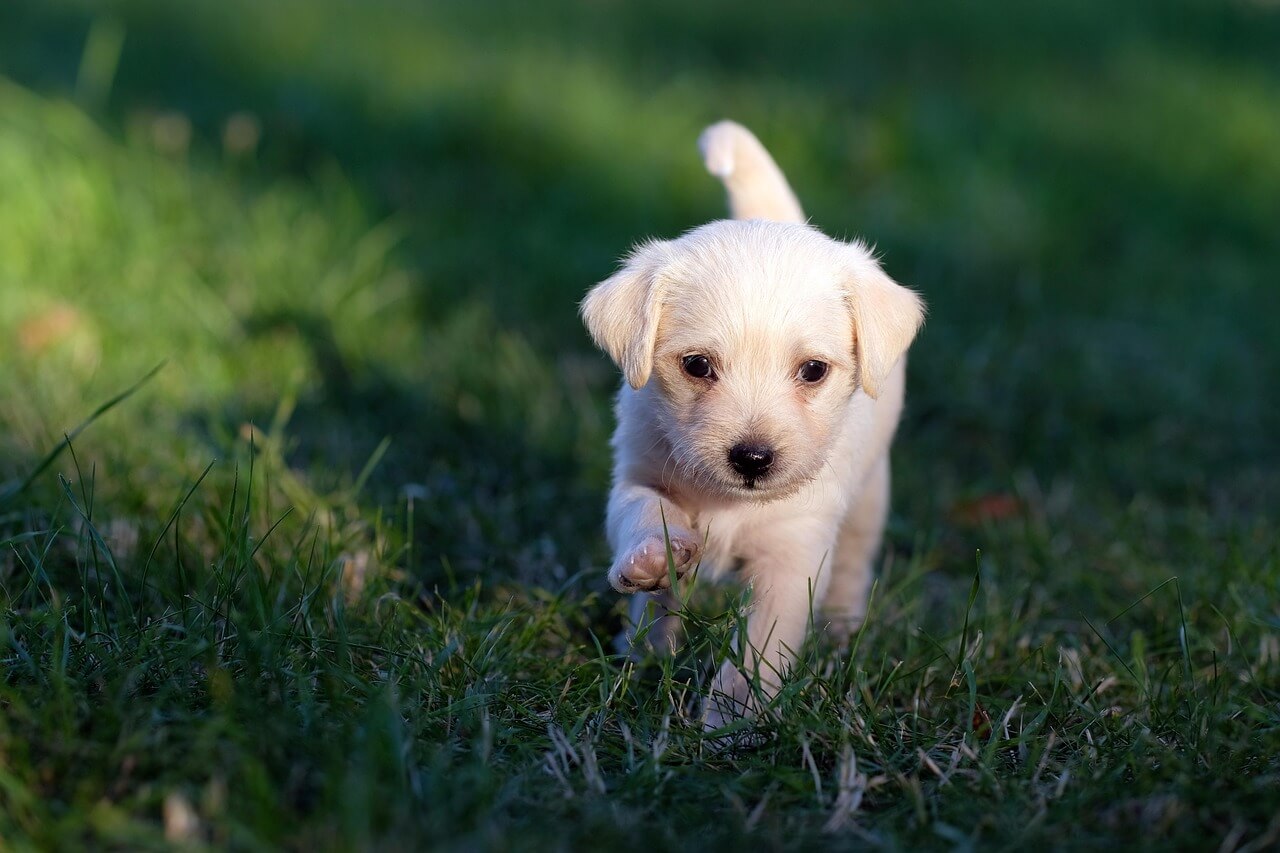
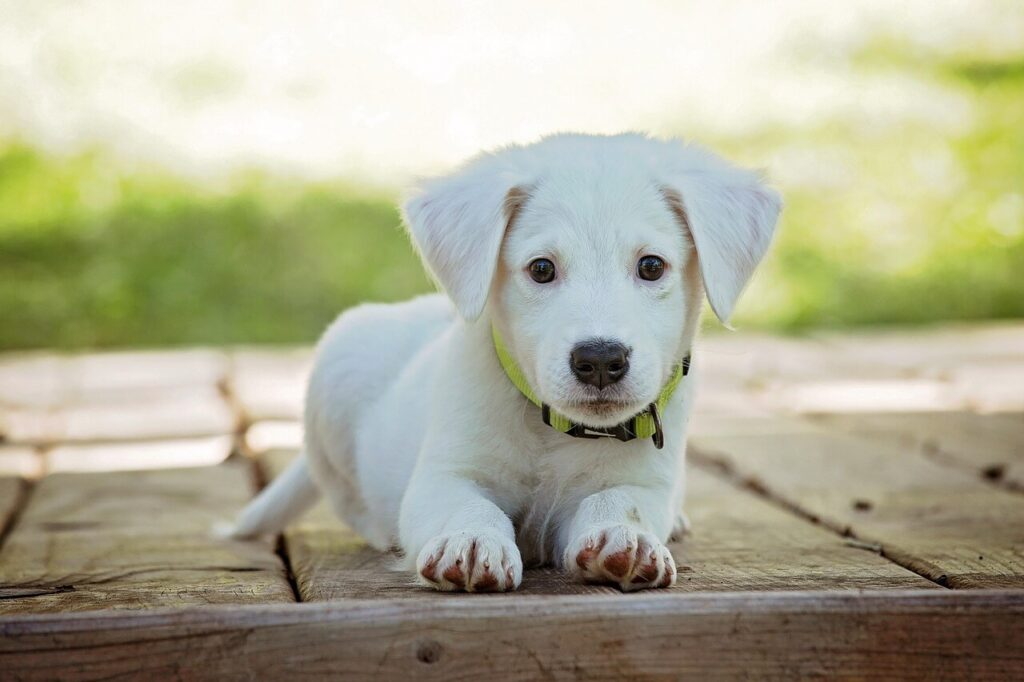
Nobody warns you about the first night. You have done the research, bought the crate, got the food, puppy-proofed at least half the house, and then you bring this tiny creature home and it cries for four hours straight because it has never been away from its mom and littermates before. You sit on the floor next to the crate at 2am wondering what you have gotten yourself into.
That was my experience with my first puppy, a little beagle mix named Pretzel. I had read articles. I had watched videos. I still felt completely unprepared.
If you are figuring out how to take care of a puppy for the first time at home, this is the guide I wish I had. Not the sanitized version that makes it sound easy, the real one that tells you what actually happens and how to handle it.
Before the Puppy Comes Home
The work starts before your puppy walks through the door. Puppy proofing your home is not optional. Puppies explore everything with their mouths and they have no concept of what is dangerous. Get down on the floor and look at your space from their level.
Tuck away or remove electrical cords, phone chargers, and anything with cables. Move cleaning products, medications, and chemicals to high shelves or locked cabinets. Pick up anything small enough to be swallowed, coins, hair ties, small toys, buttons. Block off areas you do not want the puppy accessing yet, like staircases or rooms with valuables.
Buy the basics before pickup day. A crate sized appropriately for your breed, a collar and ID tag with your phone number on it from day one, food and water bowls, puppy-appropriate food recommended by your vet or the breeder, a leash, some chew toys, and enzymatic cleaner for accidents because there will be accidents.
Feeding a Puppy for the First Time at Home
One of the most common questions from first time owners is how much and how often to feed. Puppies need to eat more frequently than adult dogs because their stomachs are small and their energy needs are high. Most puppies do well on three meals a day until around six months, then you can drop to two.
The amount depends entirely on the breed, size, and the specific food you are using. Every bag of puppy food has a feeding guide on the back based on weight and age. Start there and adjust based on your puppy’s body condition. You should be able to feel their ribs without pressing hard but not see them prominently.
Always use puppy-specific food, not adult dog food. Puppies have different nutritional requirements, especially for calcium and phosphorus ratios that affect bone development. Large breed puppies actually need large-breed-specific puppy food because too much calcium too fast causes joint problems.
Stick to a consistent feeding schedule. Feeding at the same times every day also helps with house training because what goes in on a schedule tends to come out on a schedule.
Treats are useful for training but should be small and not make up more than 10 percent of daily calories. Check out our guide on healthy treats for dogs to find options that reward without adding empty calories.
House Training: The Part That Requires the Most Patience
House training a puppy for the first time at home is genuinely one of the harder parts of new puppy ownership. It takes most puppies between four and six months to be reliably house trained, and some breeds take longer. Accidents are not defiance. They are just puppies being puppies.
The rule is simple even if the execution is tiring. Take your puppy outside frequently. First thing in the morning, after every meal, after every nap, after playtime, and before bed. That is a lot of trips outside but it is the fastest way to teach them where bathroom time happens.
When they go outside, praise them immediately. Not ten seconds later, right then. Puppies live in the moment and the connection between the action and the reward has to be instant.
When accidents happen inside, and they will, clean them up with enzymatic cleaner. Regular cleaners mask the smell to human noses but not dog noses, and if they can still smell it they are more likely to go in the same spot again. Enzymatic cleaners break down the proteins that cause the odor completely.
Never punish a puppy for an indoor accident after the fact. If you did not catch them in the act, they have no idea what the punishment is for. It just makes them anxious around you. If you catch them mid-accident, calmly interrupt with an uh-oh and take them straight outside.
Sleep, the Crate, and Surviving the First Few Nights Alone
How to take care of a puppy for the first time at home alone at night is probably the question that sends the most people searching Reddit and YouTube at midnight. The crying is hard to listen to.
A crate is your best tool here. Crates are not cruel when used correctly. Dogs are den animals and most of them genuinely come to see their crate as their safe space once they are used to it. The crate should be just big enough for the puppy to stand up, turn around, and lie down. Too big and they will use one corner as a bathroom.
Put something that smells like you in the crate. A worn t-shirt works well. Some people put a ticking clock wrapped in a blanket nearby to mimic a heartbeat, which sounds gimmicky but actually helps some puppies settle.
The first few nights are the hardest. Your puppy will cry. The most common advice you will find on Reddit and from experienced owners is to not go to the puppy every time they cry or you teach them that crying equals attention. That said, young puppies genuinely cannot hold their bladder all night, so a middle of the night bathroom trip is normal and necessary for puppies under 12 weeks or so.
Put the crate in your bedroom for the first few weeks if possible. Your presence and smell nearby makes a significant difference to how quickly they settle.
Basic Training Starts on Day One
ou do not need to wait until your puppy is older to start training. Simple commands like sit, stay, come, and no can begin from the first week. Keep sessions short, two to five minutes, several times a day. Puppies have short attention spans and you want to end every session on a win.
Use positive reinforcement only. A small treat and enthusiastic praise when they get something right works far better than any correction-based method. Puppies learn fastest when learning feels safe and rewarding.
Socialization is equally important during the first few months. Between three and fourteen weeks is the critical socialization window where positive exposure to new people, sounds, surfaces, animals, and environments shapes how confident and relaxed your dog will be for the rest of their life. Puppy classes are great for this and also give you structured guidance if you are a first time owner.
We cover this in much more detail in our full guide on how to train a puppy at home if you want a deeper walkthrough.
Health Care in the First Few Months
Book a vet appointment within the first week of bringing your puppy home. Your vet will do a full health check, confirm your puppy’s vaccination schedule, recommend a deworming and flea prevention plan, and answer any questions you have about food, growth, and development.
Puppies need a series of vaccines starting around six to eight weeks and continuing every three to four weeks until around sixteen weeks. The core vaccines protect against distemper, parvovirus, adenovirus, and rabies. Until your puppy is fully vaccinated, be careful about where you take them. Avoid dog parks and areas where unvaccinated dogs might have been.
Watch for signs of illness in the early weeks. Lethargy, not eating, vomiting, diarrhea, or any discharge from the eyes or nose warrants a vet call. Puppies can go downhill quickly and it is always better to check. If your puppy is vomiting, our article on why your cat or dog might be vomiting can help you understand what is normal and what is not.
Home Remedies for Minor Puppy Problems
For very mild issues there are some safe home remedies worth knowing. Plain boiled chicken and rice is the go-to for mild stomach upset and loose stools. A small amount of plain canned pumpkin, not pie filling, can help regulate digestion. For minor skin irritation, a lukewarm oatmeal bath can soothe itching temporarily.
These are for genuinely minor, one-off situations. If anything is persistent, worsening, or your puppy seems unwell, those are not home remedy situations. That is a vet call.
The Honest Truth About the First Few Months
The first few weeks of having a puppy at home for the first time are genuinely tiring. There are accidents to clean up, sleep to lose, shoes to rescue, and moments where you wonder if you made a terrible decision. That feeling is normal and it passes.
Around the three month mark something shifts. They start sleeping through the night. The house training clicks. They learn their name and start looking at you like you are their whole world. That is when it stops feeling like survival and starts feeling like having a dog.
The work you put in during those early weeks, the consistent feeding, the patient house training, the early socialization, it shapes who your dog becomes. The dogs that are calm, confident, and well-behaved as adults almost always had owners who showed up consistently when they were puppies.
You can do this. It just takes a little longer than the YouTube videos make it look.