
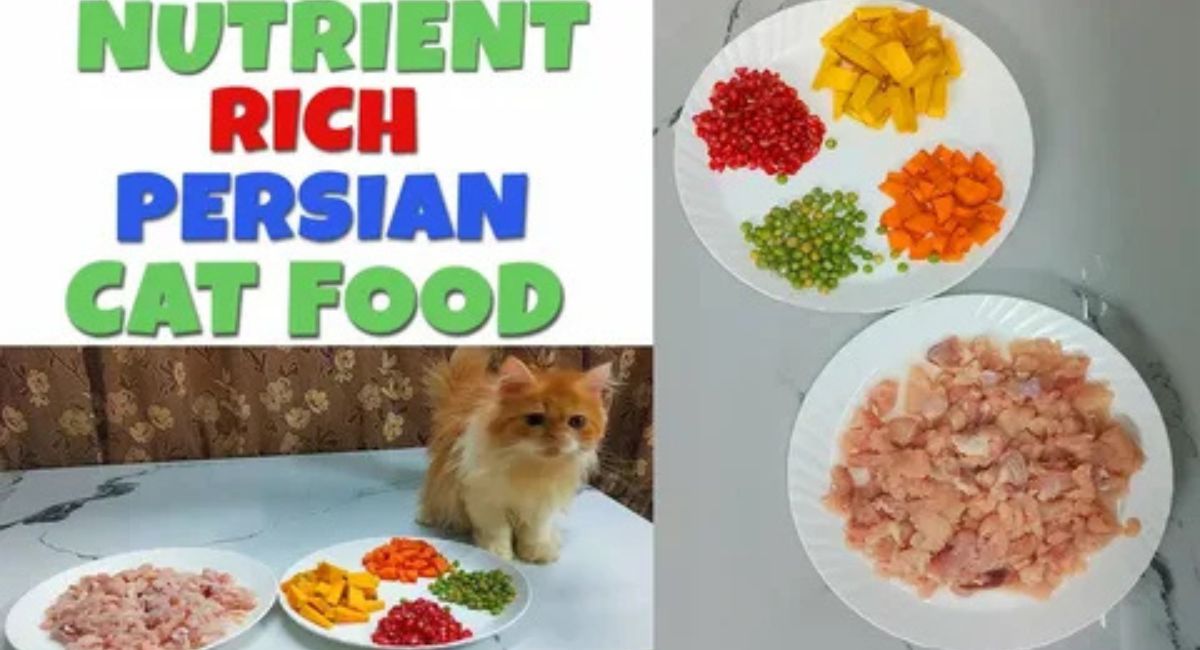
Nobody warned me how complicated feeding a Persian cat would be. Before I got Cleo, my white Persian, I assumed cat food was cat food. You pick something decent, pour it in the bowl, and your cat eats it. Easy.
Cleo had other ideas. She struggled to pick up regular kibble with her flat face and half the time just pushed it around the bowl in frustration before walking away. She was vomiting hairballs every few days. Her coat, which was one of the main reasons I fell in love with Persians in the first place, was dull and slightly matted even though I brushed her regularly. And she was picky in a way that made every food switch feel like a negotiation.
Three years and a lot of trial and error later, I understand exactly why Persian cats need food that is specifically chosen for them and not just grabbed off the nearest shelf. If you have a Persian or are thinking about getting one, here is everything I have learned about feeding them well.
Why Persian Cats Have Different Food Needs Than Other Cats
- Persian cats are beautiful but they come with a unique set of challenges that all trace back to their physical build and their incredibly long, dense coat.
- Their flat faces, a feature called brachycephaly, mean their jaws are shorter and differently shaped than other cats. Regular kibble that is round or large is genuinely hard for them to pick up and chew. They either drop it repeatedly, swallow pieces whole without chewing, or give up and walk away. This is not fussiness. It is a physical limitation that the right food can address.
- Their long coat is the other major factor. Persians groom themselves constantly and they swallow a significant amount of fur every single day. That fur has to go somewhere, and for many Persians it comes back up as hairballs. The right diet with adequate fiber helps move that hair through the digestive system rather than letting it accumulate in the stomach.
- Persians are also typically indoor cats with relatively low activity levels. They love lounging, being near their people, and finding the softest spot in the room. That lifestyle means they burn fewer calories than an active outdoor cat, and foods that are too calorie-dense cause weight gain quickly. Obesity in Persian cats leads to joint problems, heart issues, and makes their already limited breathing slightly harder.
- Finally, Persian cats have a genetic predisposition to polycystic kidney disease, a condition where small cysts form on the kidneys over time. Diet does not cause or cure PKD but feeding food that is not excessively high in phosphorus and keeping them well hydrated supports kidney health long term. This is why wet food matters so much for this breed specifically.
Wet Food vs Dry Food for Persian Cats
The debate between wet and dry food applies to all cats but for Persians the answer leans more clearly toward wet food than for most other breeds.
Wet food is softer and easier for a flat-faced cat to eat without the dropping and chewing difficulty that dry kibble causes. It has a much higher moisture content, which supports kidney health and keeps the urinary tract functioning well. Persians that eat primarily dry food often do not drink enough water to compensate, which puts strain on the kidneys over time. Wet food essentially delivers hydration with every meal rather than relying on your cat to drink enough from a bowl.
That does not mean dry food is off the table entirely. Some Persians do fine with it, especially if you choose a formula with flat, almond-shaped, or small kibble designed specifically for brachycephalic breeds. A combination approach, wet food as the primary diet with a small amount of dry food offered separately, works well for many Persian owners and gives you the benefits of both.
If your Persian has been on dry food and seems to struggle with eating, switching to wet food or adding it to their routine is one of the most impactful changes you can make. Cleo transformed when I switched her to primarily wet food. Less vomiting, better hydration, and she actually finished her bowl instead of walking away from it.
What to Look for on the Label
Before getting into specific recommendations, here is what the food should actually contain regardless of brand.
Named protein as the first ingredient. Chicken, turkey, salmon, or another specific meat should be the first thing listed. Not meat by-products, not corn, not wheat. A named protein means you know what your cat is actually eating.
High moisture in wet food. Look for 70 to 80 percent moisture in canned food. This is standard for quality wet cat food and is what provides the hydration benefit.
Omega-3 and omega-6 fatty acids. These are essential for coat health. A Persian cat eating food rich in omega fatty acids will have a visibly shinier, softer coat than one eating food that is deficient in them. Look for ingredients like salmon oil, flaxseed, or fish meal as sources.
Adequate fiber for hairball control. Ingredients like psyllium husk, beet pulp, or cellulose fiber help move swallowed hair through the gut rather than letting it accumulate. If your Persian vomits hairballs frequently, fiber content is one of the first things to check.
Taurine. This amino acid is essential for cats and cannot be produced by the body in sufficient quantities. It supports heart health and eye function and should be listed in any complete cat food.
Low phosphorus for kidney support. This matters more for older Persians and any cat with existing kidney concerns. Vets often recommend foods with controlled phosphorus levels for breeds prone to PKD.
Best Cat Food for Persian Cats: My Top Recommendations
1. Royal Canin Persian Adult Dry Food
This is the most breed-specific option on the market and for good reason. Royal Canin has done the research on Persian anatomy and the kibble shape in this formula is genuinely different from standard cat food. It is almond-shaped and sized specifically so flat-faced cats can pick it up easily and chew it without struggling. The formula also includes a targeted fiber blend for hairball reduction and omega fatty acids for coat health.
It is expensive compared to mainstream brands and it does contain grains, which some owners prefer to avoid. But if your Persian struggles with regular kibble and you want something designed specifically for their face shape, this is the most purposeful option available.
2. Hill’s Science Diet Adult Hairball Control
If hairballs are the main issue you are trying to solve, Hill’s Hairball Control formula is one of the most consistently recommended options by vets. It uses real chicken as the first ingredient and includes a natural fiber blend that genuinely reduces hairball formation for most cats. Hill’s runs actual feeding trials rather than just calculating nutrition on paper, which gives their claims more credibility than brands that only do lab testing.
The kibble is not Persian-specific in shape but the smaller size works reasonably well for most Persians. Pairing this as a dry option alongside wet food gives you the hairball benefit without making wet food your only choice.
3. Wellness CORE Grain Free Wet Food
For a high-protein wet food option that works beautifully for Persian cats, Wellness CORE grain free canned food is one of my personal favorites. The protein content is high at around 40 percent on a dry matter basis, the moisture content is excellent for hydration, and it contains deboned chicken or turkey as the primary protein with salmon oil added for coat support.
Cleo eats the turkey and chicken liver recipe and her coat has been noticeably shinier since I added this to her rotation. It is grain free, free from artificial preservatives, and the texture is smooth enough that even picky Persian eaters tend to accept it.
4. Purina Pro Plan Sensitive Skin and Stomach
Persians with digestive sensitivities or recurring skin issues do particularly well on Purina Pro Plan’s Sensitive Skin and Stomach formula. It uses salmon as the first ingredient, which provides both lean protein and natural omega-3s for coat health, and the formula is specifically designed for cats with reactive digestive systems.
Purina Pro Plan is backed by decades of nutritional research and is one of the few affordable brands that vets regularly recommend by name. The inclusion of prebiotic fiber supports gut health which in turn reduces the digestive upset that Persians are prone to.
5. Taste of the Wild Rocky Mountain Grain Free
For Persian owners who want a grain free option at a mid-range price point, Taste of the Wild Rocky Mountain is an excellent choice. It features roasted venison and smoked salmon as the primary proteins, which means it is a great option for cats that have developed sensitivities to the more common proteins like chicken after eating them for years.
The novel protein approach also makes it suitable for cats on a food elimination trial if you are trying to identify a food allergy or intolerance. High in protein, grain free, and genuinely palatable to most cats including picky Persians.
6. Canidae Pure Limited Ingredient Wet Food
If your Persian has confirmed food sensitivities or you want the cleanest possible ingredient list, Canidae Pure is worth considering. It uses a limited number of ingredients, typically around eight to ten, with a single animal protein source and no grain, artificial additives, or unnecessary fillers. Less in the bowl means less for a sensitive system to react to.
The limited ingredient approach also makes it much easier to identify what is and is not working if your cat is going through a food transition or an elimination trial. Available in several protein options including salmon, duck, and lamb.
7. Iams ProActive Health Indoor Weight and Hairball Control
For Persian owners on a budget who still want something purposeful rather than a generic supermarket brand, Iams ProActive Health Indoor formula covers a lot of ground affordably. It is formulated specifically for indoor cats with lower activity levels, includes L-carnitine for weight management, and has a fiber blend targeting hairball control.
It is not grain free and the ingredient list is not as premium as the options above, but the nutritional profile is sound and it does what it says regarding hairball reduction and weight management. For owners who cannot stretch to Royal Canin prices every month, this is a reliable option that does not cut corners on the things that matter most for Persians.
How to Transition a Persian to New Food
Persian cats are notorious for being sensitive to food changes. Switching too quickly causes digestive upset, loose stools, and in picky cats, outright refusal to eat. The transition should happen over ten to fourteen days, starting with 80 percent old food and 20 percent new, then slowly shifting the ratio every two to three days until you are fully on the new food.
Warming wet food slightly in the microwave for ten seconds makes it more aromatic and appealing, especially to cats that are suspicious of something new in their bowl. Adding a tiny amount of low sodium chicken broth over the top during the first week also helps with acceptance.
If your Persian refuses the new food entirely for more than 48 hours, go back to a higher ratio of old food and slow the transition down further. Patience here prevents you from having to start over completely.
Supporting Your Persian’s Health Beyond the Bowl
Food is the foundation but it works better alongside a consistent care routine. Regular brushing reduces the amount of fur your Persian swallows during grooming, which directly reduces hairball frequency regardless of what they eat. Even the best hairball control food cannot compensate for a cat that is swallowing large amounts of fur daily because they are not being brushed.
Keeping fresh water available at all times is essential, and many Persians drink more from a cat water fountain than a static bowl because the movement catches their attention. This matters especially for cats eating primarily dry food.
For guidance on keeping your cat healthy overall and spotting signs when something is wrong, our article on why is my cat vomiting is worth reading since vomiting is one of the most common issues Persian owners deal with and understanding the difference between a normal hairball episode and something that needs veterinary attention makes a real difference.
If you are also working out treat options for your Persian, our guide on healthy treats for cats and dogs covers low calorie, real food options that add variety without undoing the work you are doing with their main diet.
And if you want the full picture of responsible pet care that supports a long healthy life for your Persian, our 10 responsible pet care tips covers nutrition, vet visits, grooming, and everything else that keeps cats thriving year after year.
The best cat food for Persian cats is one that accounts for their flat face, their long coat, their hairball tendency, their low activity level, and their need for good hydration. No single food is perfect for every Persian but the options above cover the most important bases for most cats in this breed.
Cleo is four now and her coat is the softest it has ever been. She finishes her meals without struggling. The hairball vomiting has dropped from several times a week to maybe once a month. None of that happened by accident. It happened because I stopped treating her like a generic cat and started feeding her like the specific, high maintenance, absolutely worth it creature she actually is.
Your Persian deserves the same.