
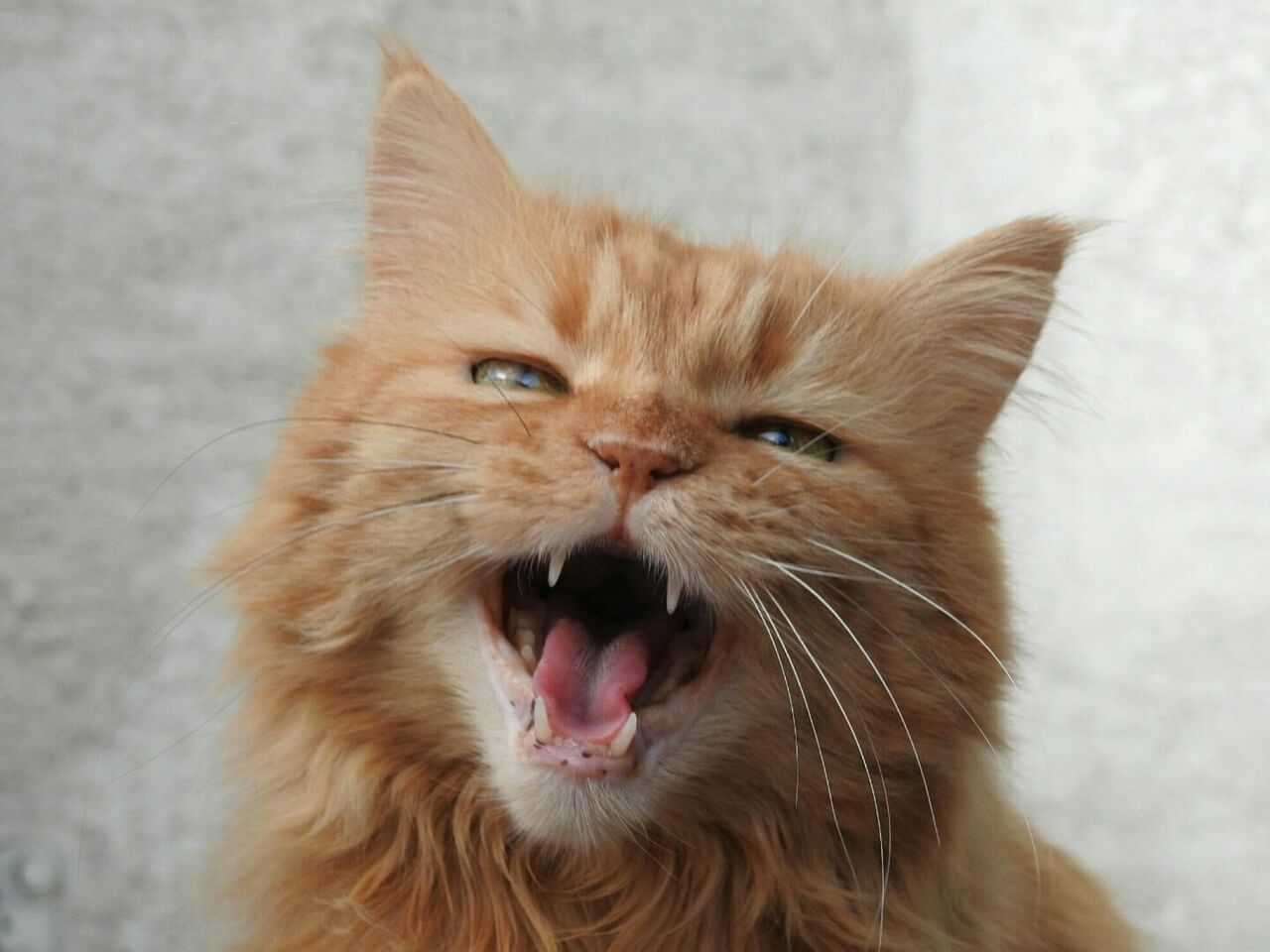
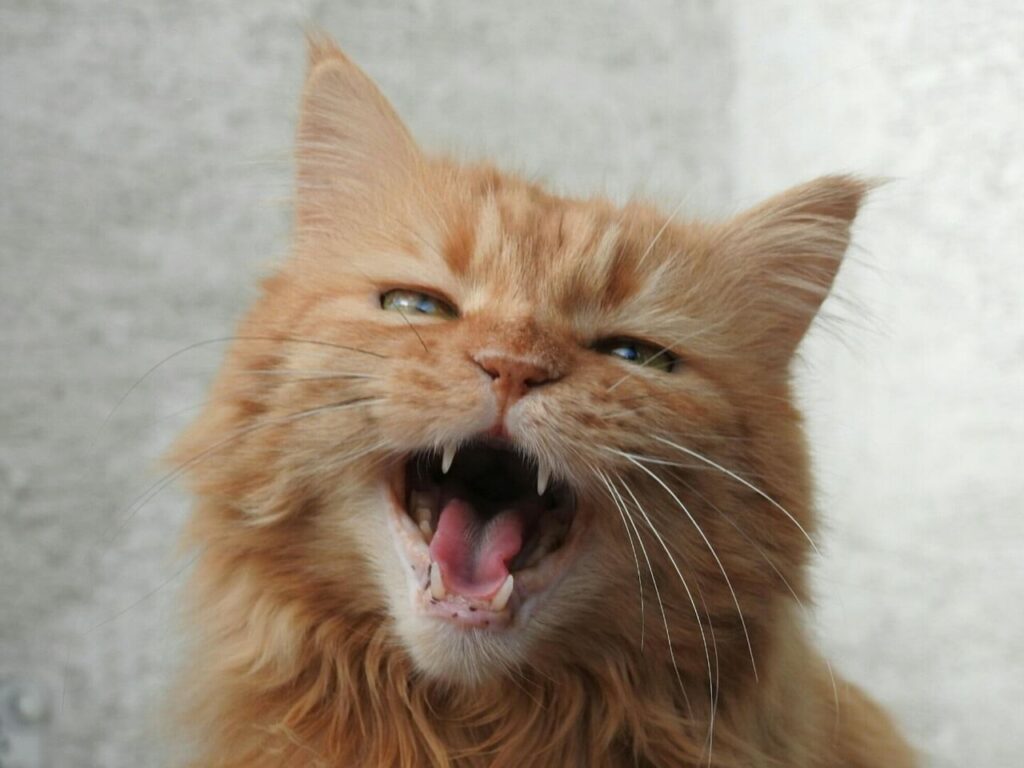
My cat Luna went from barely making a sound to waking me up at 4am every single morning with a meow so loud I genuinely checked if something was wrong with her. Nothing obvious was. She was eating fine. She was using her litter box. She seemed perfectly healthy. She just would not stop meowing and I had no idea why.
I spent weeks trying to figure it out. I Googled everything. I watched her patterns. I tried ignoring it, responding to it, changing her feeding schedule. Some things helped a little. One thing helped a lot. But getting to that answer required understanding what the meowing was actually about in the first place.
Here is everything I learned about why cats meow so much, why it happens at specific times like night and morning, what it means when your cat meows directly at you constantly, and what you can do that actually makes a difference.
First, Understand That Meowing Is How Cats Talk to Humans
This is the thing that most people do not realize. Adult cats do not meow at other cats. They hiss, they chirp, they trill, they growl, but sustained meowing is something cats almost exclusively do when communicating with people. It developed because it works. Humans respond to it. Kittens meow at their mothers, and at some point cats figured out that making that same sound at humans gets results too.
So when your cat meows at you, they are not being annoying for the sake of it. They are genuinely trying to tell you something. The question is what.
The answer depends on when it is happening, how it sounds, and what is going on in your cat’s life at the time. A cat that meows a lot in the morning is usually telling you something completely different from a cat that meows all night. And a cat that meows excessively after years of being quiet is almost always telling you something has changed, either in their environment or in their body.
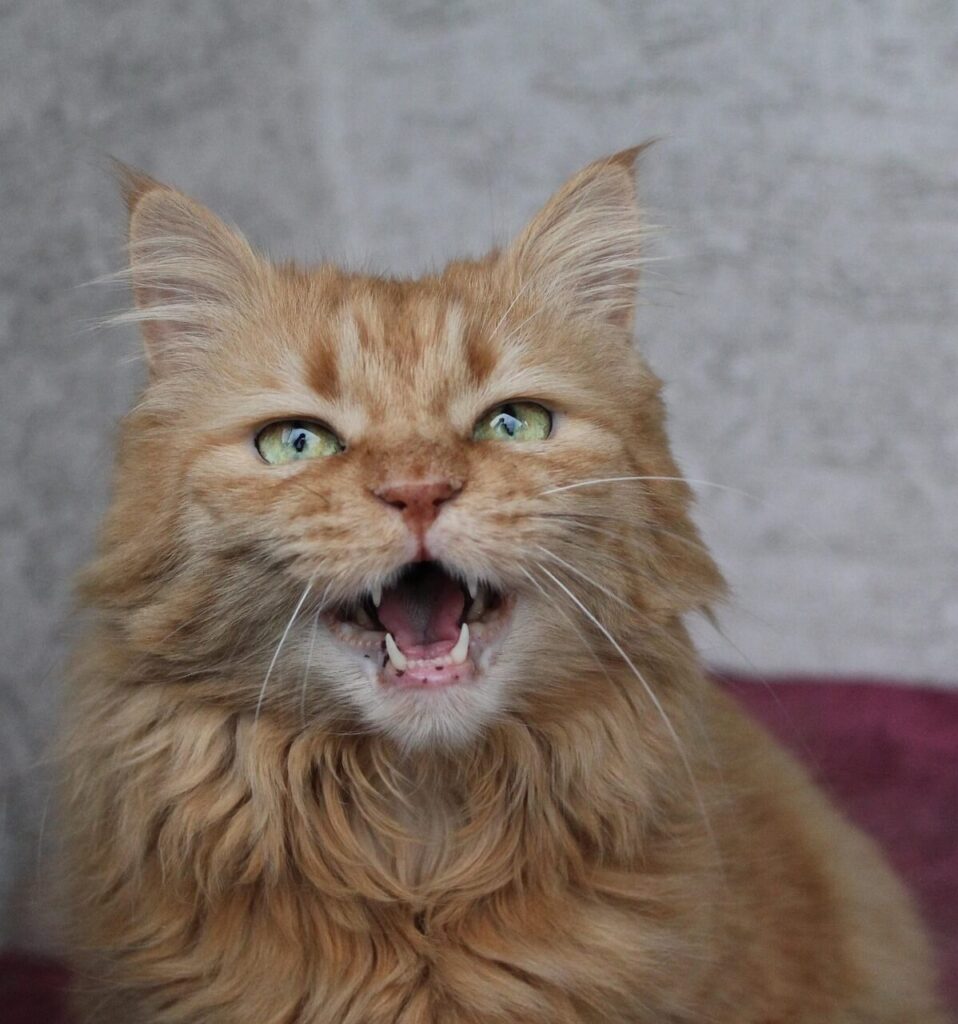
Why Does My Cat Meow So Much at Night
Night meowing is probably the most exhausting version of this problem because it disrupts your sleep and there is nowhere to escape it. There are several distinct reasons it happens and knowing which one applies to your cat changes what you do about it.
Hunger is the most straightforward cause. Cats are crepuscular by nature, meaning they are naturally most active at dawn and dusk. Their hunting instincts kick in at night and along with that comes an increased awareness of hunger. If your cat’s last meal is at 6pm and they are not eating again until 7am, that is thirteen hours with nothing in their stomach. A late evening meal or an automatic feeder set to release a small portion during the night can eliminate this type of nighttime meowing very quickly.
Boredom and excess energy are massive contributors that owners underestimate. A cat that has slept for most of the day while you were at work is not tired at 2am. They are ready to play. If there is nothing to engage with and no one awake to interact with, meowing at you is the most interesting option available. Spending fifteen to twenty minutes playing with your cat before you go to bed drains that energy and significantly reduces nighttime vocalization. A food puzzle or a toy that moves on its own can also keep them occupied after you fall asleep.
Unspayed females in heat meow at night with a particular intensity that sounds almost like a human baby crying. It is urgent, relentless, and happens every few weeks. If your female cat has not been spayed and the nighttime meowing sounds desperate rather than attention-seeking, heat cycles are almost certainly the cause. Spaying resolves this completely and also eliminates the health risks associated with repeated heat cycles.
Cognitive dysfunction in older cats is something many owners are not aware of but is actually quite common in cats over ten years old. It is similar to dementia in humans. Affected cats become confused and disoriented, particularly at night when the visual cues that help them orient themselves are reduced. They meow loudly and persistently because they are genuinely distressed and not sure where they are or what is happening. If your older cat has started meowing at night after years of being quiet, this is worth discussing with your vet as there are management strategies that can genuinely help.
Pain or illness should always be considered when nighttime meowing starts suddenly in a cat that was previously quiet. Cats in pain are often more vocal, and pain tends to feel more intense at rest when there are no distractions. Hyperthyroidism, kidney disease, high blood pressure, and arthritis are all common in older cats and all cause increased vocalization as one of their symptoms.
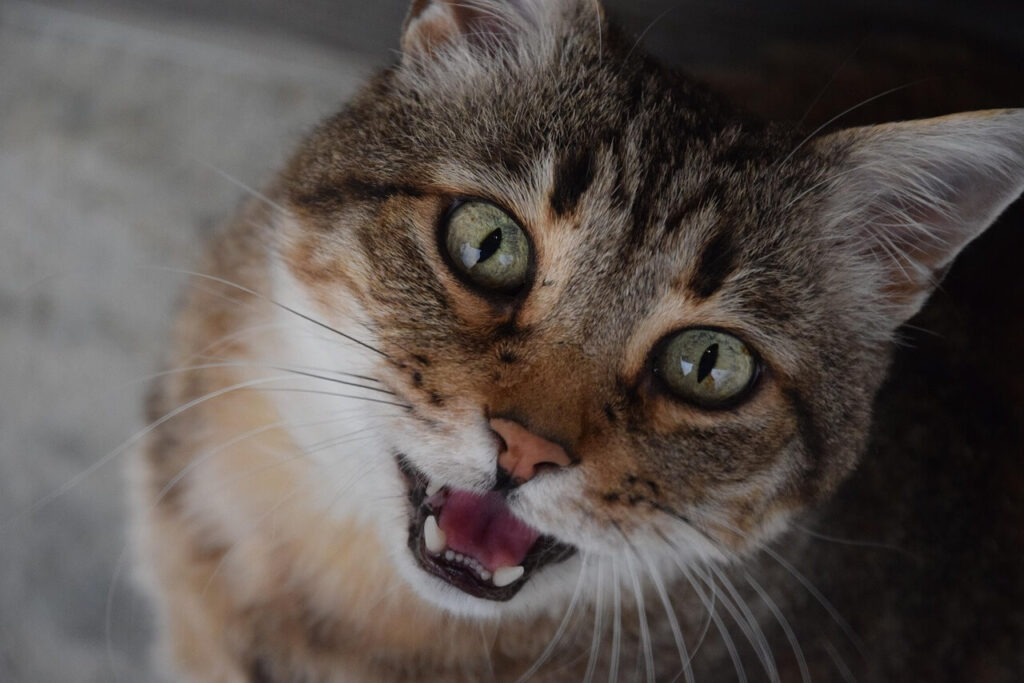
Why Does My Cat Meow So Much in the Morning
Morning meowing is one of the most common complaints from cat owners and the cause is almost always the same thing. Your cat has learned that meowing in the morning gets you out of bed and leads to breakfast being served.
This is a conditioned behavior and it is entirely your fault, which I say with complete understanding because I trained Luna to do exactly this without meaning to. The first time she meowed in the morning I got up and fed her. Then I did it again the next day. Within a week she had learned the precise formula. Meow loudly plus human gets out of bed equals food. She was not being manipulative in a calculating way. She was just doing what worked.
The only reliable fix is to stop feeding your cat immediately after they meow in the morning. Wait until they are quiet, even for just thirty seconds, and then feed them. This breaks the association between meowing and food appearing. It feels harsh, especially at 5am, but it works within one to two weeks for most cats if you are genuinely consistent.
An automatic feeder set to dispense food at a specific time is an even better solution because it removes you from the equation entirely. Your cat learns that the machine delivers food at a set time and meowing at you has no effect on when breakfast arrives. Luna has an automatic feeder now and the 4am meowing stopped within four days.
Light sensitivity also plays a role in morning meowing. Cats respond to dawn light and their internal clock tells them it is time to be active. In summer when the sun rises early, cats wake up earlier and start the morning routine earlier. Blackout curtains in your bedroom genuinely help with this and most owners who try them are surprised by how much difference they make.
Why Does My Cat Meow at Me So Much
When your cat follows you from room to room and meows at you directly and repeatedly throughout the day, they are almost always doing one of a few things.
Seeking attention and interaction. Some cats are simply more vocal and social than others. Siamese, Burmese, Bengal, and Oriental Shorthair breeds are well known for being highly communicative and meowing a lot compared to other breeds. If you have one of these and they have always been vocal, that is just who they are. The meowing is them talking to you and engaging is fine as long as you are not inadvertently rewarding behavior you want to reduce.
Telling you something is wrong. A cat that meows at you persistently in a way that feels different from their usual patterns is worth paying attention to. Cats cannot tell us when they feel unwell but they can signal distress through behavior changes. If the meowing is accompanied by other changes like less grooming, changes in eating or drinking, hiding more, or using the litter box differently, a vet visit makes sense.
We have a full guide on why is my cat vomiting that covers one of the most common health signs cats display alongside behavior changes. Worth reading if you are noticing anything beyond just the increased meowing.
Stress or anxiety. A new pet in the house, a move, a change in your work schedule, building work nearby, or even rearranging the furniture can all unsettle a cat enough to increase their vocalization significantly. Cats are creatures of habit and disruption to their routine shows up in their behavior. If the meowing increased around the same time as a change in the household, that connection is probably not a coincidence.
Wanting access to something. A closed door your cat wants to be on the other side of. A window they want opened. A spot they cannot reach. Cats are remarkably specific communicators when they want something particular and if you follow a meowing cat they will often lead you directly to what they are asking for.
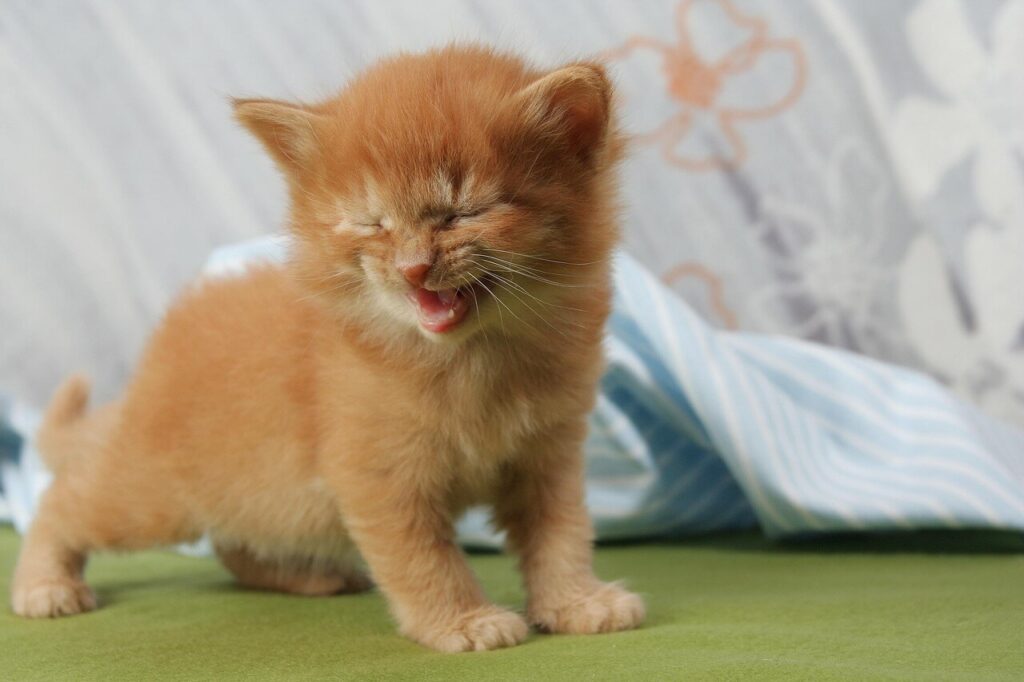
When Excessive Meowing Means a Vet Visit
Most of the time excessive meowing has a behavioral or environmental explanation. But there are situations where it signals something medical that needs prompt attention.
See your vet soon if the meowing started suddenly in a cat that was previously quiet. See your vet if your cat is meowing and also seems to be in discomfort, is eating or drinking differently, has lost weight, seems confused or disoriented, or if the meowing sounds different from usual, more urgent, more distressed, or more like crying than talking.
Hyperthyroidism is particularly worth mentioning because it is extremely common in cats over eight and excessive vocalization is one of its most consistent early symptoms alongside weight loss despite a good appetite. A simple blood test confirms it and treatment is very effective. If your older cat has become significantly more vocal over the past few months, this is the first thing your vet should check.
High blood pressure, which often accompanies kidney disease or hyperthyroidism in cats, also causes increased meowing and can lead to sudden blindness if not treated. Any older cat that becomes unusually vocal deserves a full health check rather than an assumption that it is just a behavioral quirk.
Our article on signs your cat is sick covers the full list of symptoms that tell you something is medically wrong beyond just the meowing, which is useful reading if you are uncertain whether what you are seeing is behavioral or health related.
Practical Things That Actually Reduce Excessive Meowing
Once you have ruled out medical causes, here are the things that genuinely work for most cats.
Consistent feeding times reduce food-motivated meowing dramatically. Cats are creatures of routine and when they know food arrives at specific predictable times they stop lobbying for it constantly. An automatic feeder takes this even further by making you irrelevant to the feeding process entirely.
Increased play and environmental enrichment address boredom-related meowing. A fifteen minute interactive play session before bed, puzzle feeders, window perches with a view, and rotating toys all give your cat things to do besides meow at you.
Ignoring attention-seeking meowing is uncomfortable but necessary if you want it to stop. Every time you respond to meowing with attention, even negative attention like telling them to be quiet, you reinforce it. The way to reduce this type of meowing is to only give attention when your cat is quiet, not when they are vocalizing at you.
Never punish meowing with anything physical or aggressive. It does not work, it damages your relationship with your cat, and it adds stress to an already vocal animal which usually makes the problem worse.
For cats experiencing anxiety-related meowing, creating a stable predictable routine helps enormously. Regular feeding times, play at consistent times, and keeping their environment as unchanged as possible reduces the background stress that drives excessive vocalization.
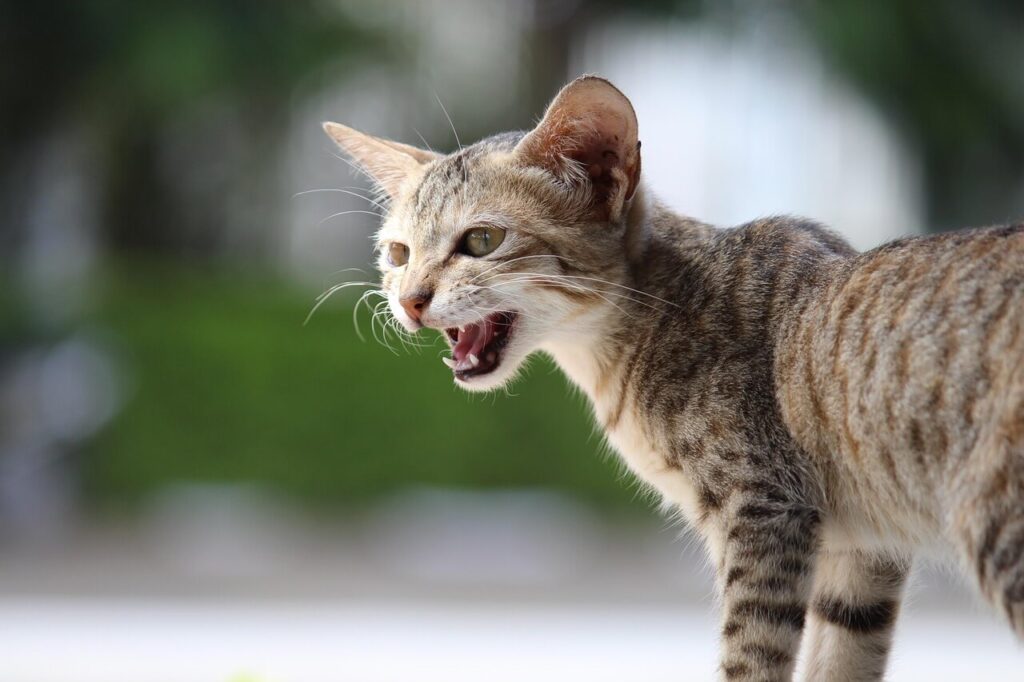
The Bottom Line
Your cat is not meowing so much to drive you crazy. They are communicating the only way they know how with the only creature they know will listen. Understanding what they are trying to say is genuinely the most useful thing you can do, because the right response depends entirely on the cause.
Night meowing, morning meowing, and constant daytime meowing all have different roots and different solutions. Some of them are simple behavioral fixes. Some of them need a vet. Most of them improve significantly once you understand what is actually going on.
Luna still talks to me. She just does it at reasonable hours now, and honestly I have come to like it. A cat that communicates with you is a cat that trusts you. That is not a bad thing at all.