
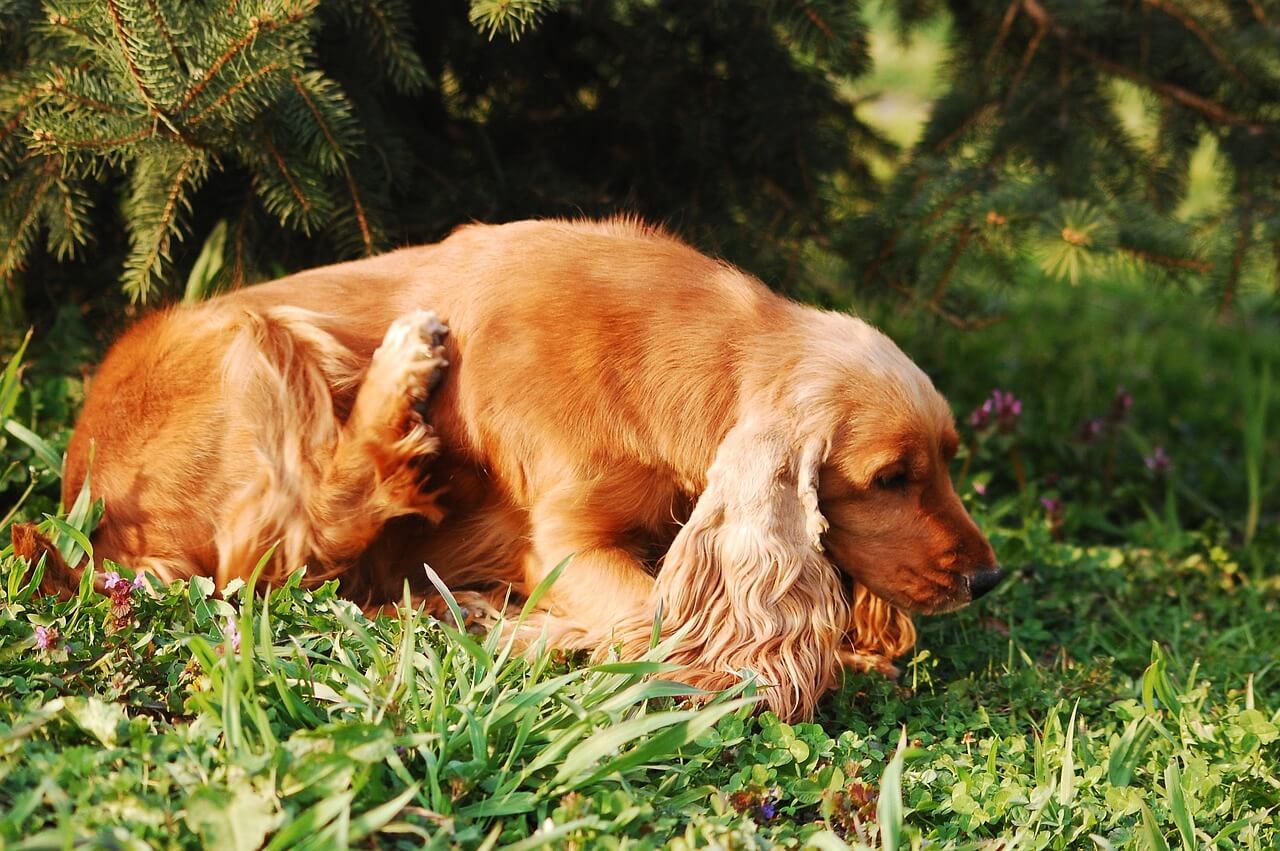

There is something about the sound of a dog scratching at 2am that gets under your skin in a way very few things can. The jingle of the collar. The rhythmic thumping against the mattress or the floor. You lie there wondering how something that weighs 30 pounds can make that much noise, and then the guilt kicks in because clearly your dog is uncomfortable and you have no idea why.
My dog Rosie went through a phase of scratching so constantly that she wore a small patch of fur thin behind her left ear. I checked for fleas and found nothing. I changed her shampoo thinking it might be that. I tried a different food for a few weeks. Nothing seemed to make a clear difference and I felt completely lost about what was actually causing it.
Eventually a vet visit and a bit of patience sorted it out. But the experience taught me that dog scratching has a surprisingly long list of possible causes and that ruling them out one by one is the only way to get to the real answer.
Here is everything I know about why dogs scratch themselves all day and night and what actually helps each cause.
Fleas: The First Thing to Rule Out
Fleas are almost always the first thing people check and for good reason. They are the most common cause of itching in dogs worldwide. The problem is that fleas are extremely good at hiding and many people conclude their dog does not have fleas simply because they cannot see any jumping around.
A single flea can bite a dog dozens of times before you ever spot it. And some dogs have flea allergy dermatitis, which means they are allergic to flea saliva specifically. One bite from one flea causes a reaction that lasts for days and makes the dog scratch intensely even after the flea is long gone.
The right way to check for fleas is not to look for the fleas themselves but to look for flea dirt. Part your dog’s fur down to the skin, particularly around the base of the tail, the belly, and the groin area. Flea dirt looks like tiny black or dark brown specks that resemble ground pepper. To confirm it is actually flea dirt and not regular dirt, put a few specks on a damp white tissue. If they turn reddish brown after a minute or two, that is digested blood, which means fleas have been feeding on your dog.
If you find flea dirt, treat your dog with a vet-recommended flea treatment immediately and also treat your home. The eggs and larvae live in carpets, bedding, and furniture, not on the dog, so treating the dog alone rarely solves a flea infestation completely.
Why Does My Dog Scratch Himself But I Cannot See Any Fleas on Him
This is one of the most frustrating situations for dog owners. You have checked, you cannot find a single flea, and yet your dog is scratching constantly. The answer is almost never that fleas are not involved at all. It usually means you missed them, or your dog has already been treated and the fleas are gone but the allergic reaction is continuing.
But genuinely flea-free scratching is also very common and has several possible causes.
Environmental allergies are probably the most common culprit in dogs that scratch without obvious fleas. Just like humans can be allergic to pollen, dust mites, mold, or grass, dogs can develop the same sensitivities. The difference is that in dogs these allergies tend to show up on the skin rather than in the nose. Itching, redness, and inflammation are the primary symptoms, often focused on the paws, belly, armpits, face, and ears.
Environmental allergies are often seasonal at first, getting worse in spring or autumn when pollen counts are high. Over time they can become year-round as the immune system becomes more sensitive. If your dog seems worse at certain times of year or after spending time in certain environments, allergies are worth investigating.
Food allergies or intolerances are another common cause. Contrary to what many people expect, food allergies in dogs do not usually cause vomiting or diarrhea. The most common symptom is skin itching, sometimes accompanied by recurring ear infections or paw licking. The most frequently implicated ingredients are beef, dairy, chicken, wheat, and soy, though a dog can technically develop an allergy to any protein they have been exposed to repeatedly over time.
Identifying a food allergy requires an elimination diet trial where you feed a novel protein your dog has never eaten before for at least eight weeks. This is the only reliable way to confirm food allergy because allergy blood tests for food in dogs have poor accuracy.
Dry skin is often overlooked but is a genuine cause of constant scratching. Dogs can develop dry skin from low humidity environments, bathing too frequently with harsh shampoos, poor nutrition, or simply genetics. Dry skin scratching tends to produce visible flaking similar to dandruff and the skin often looks dull and tight.
Why Does My Dog Scratch Himself at Night But Not During the Day
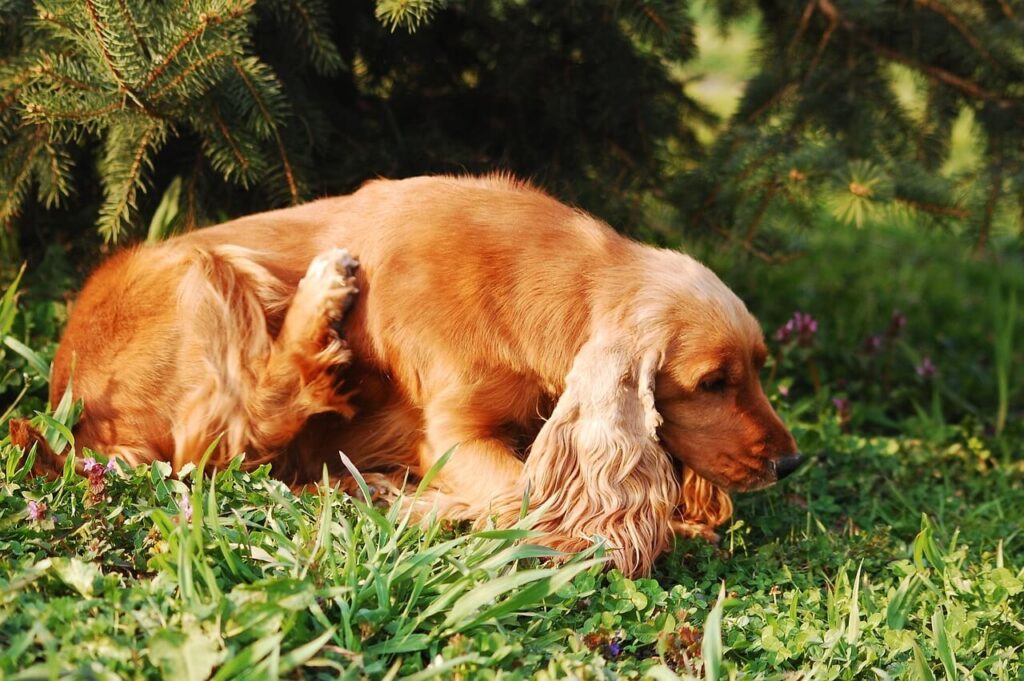
If the scratching is noticeably worse at night and your dog seems relatively calm during the day, a few specific things could explain the pattern.
Dust mites are active in bedding and mattresses. If your dog sleeps in a specific spot and that is where the scratching is worst, dust mite allergy is a real possibility. Washing your dog’s bedding weekly in hot water and keeping them off upholstered furniture if possible can make a meaningful difference.
Heat and lying still can make itching feel more intense. During the day dogs are moving around, distracted by activity and stimulation. At night when they are lying still and warm, the same level of irritation that was manageable during the day becomes impossible to ignore. This does not mean the problem is worse at night necessarily. It means your dog notices it more when there is nothing else competing for their attention.
Anxiety is another factor that plays out more at night. Some dogs scratch compulsively when they are anxious or stressed, and nighttime when the house is quiet and they are alone with their thoughts can trigger anxiety-related scratching even if the skin is not particularly irritated.
Why Does My Dog Scratch Himself So Much and Losing Hair Patches
Scratching that is intense enough or persistent enough to cause hair loss is a signal that whatever is causing it has been going on for a while or is severe enough to need prompt veterinary attention. The hair loss itself is called alopecia and it happens because the repeated scratching and chewing damages the hair follicles in that area.
Hot spots are a common cause of patchy hair loss alongside intense scratching. These are areas of acute moist dermatitis where the skin becomes infected, red, raw, and wet looking. They appear suddenly, sometimes overnight, and spread quickly. Dogs scratch and chew at them obsessively which makes them worse. Hot spots need veterinary treatment to clear up properly.
Mange is a skin disease caused by microscopic mites, different from the fleas discussed earlier. Sarcoptic mange causes intense scratching and hair loss that often starts around the ears, elbows, and belly before spreading. Demodectic mange causes patchy hair loss that may or may not itch depending on the type. Both require diagnosis from a vet with a skin scraping test and specific treatment.
Ringworm, despite the name, is a fungal infection not a worm. It causes circular patches of hair loss and mild to moderate itching. It is also contagious to humans and other pets, so if you notice ring-shaped bald patches on your dog it is worth getting them checked quickly.
Hormonal imbalances like hypothyroidism or Cushing’s disease cause hair loss and skin changes that owners sometimes mistake for allergy or chronic scratching damage. These conditions have other symptoms alongside the skin changes including weight gain, lethargy, increased thirst, and a pot-bellied appearance in the case of Cushing’s.

Why Does My Dog Scratch His Ears All the Time Day and Night
Ears that are itchy constantly, day and night without letting up, usually indicate one of three things.
An active ear infection is the most likely cause. The scratching is relentless because the inflammation and irritation inside the ear canal does not stop when your dog rests. A dog with a genuine ear infection will often scratch, shake their head, tilt it to one side, and show signs of discomfort when you touch near the ear. The ear may smell, look red inside, or have dark discharge when you fold the flap back.
We have a detailed guide on how to tell if your dog has an ear infection that covers every sign to look for and when to get to the vet, which is worth reading if the ear scratching is one of your main concerns.
Ear mites are the second possibility, particularly in dogs that go outdoors a lot or live with cats. Mites cause a dark, crumbly discharge that looks like coffee grounds and intense itching that has no off switch. A vet can confirm mites with a quick swab and microscope check.
Allergies, as already discussed, frequently show up as ear problems in dogs. The inside of the ear canal is lined with skin and that skin reacts to allergens the same way the rest of the body does. Recurring ear infections or chronic ear scratching in an otherwise healthy dog is one of the clearest signals of an underlying allergy.
If your dog has been scratching their ears consistently, cleaning them properly and regularly is an important part of management alongside any treatment your vet prescribes. Our step by step guide on how to clean dogs ears at home walks through the whole process so you can do it safely and effectively at home.
Other Causes Worth Knowing About
Contact dermatitis happens when your dog’s skin reacts to something it comes into direct contact with. New laundry detergent used on their bedding, a different cleaning product used on your floors, a new collar material, or plants in the garden can all trigger localised skin reactions. If the scratching is focused on one specific area of the body and started around the same time you changed something in your home environment, contact dermatitis is worth considering.
Anxiety and boredom cause what is called psychogenic scratching or licking, where dogs scratch and lick themselves not because of physical irritation but as a coping behaviour. Dogs that are under-stimulated, anxious, or experiencing a significant change in their routine sometimes develop compulsive grooming habits. This type of scratching tends to be focused on one area, often a paw or a spot on the leg, and is usually accompanied by other anxiety signals like restlessness, yawning, or destructive behavior.
Poor nutrition is an underrated cause of chronic itching. A diet lacking in essential fatty acids, particularly omega-3s, leads to a compromised skin barrier that lets moisture escape and allows irritants in. Dogs on low quality food with poor fat profiles often have dry, flaky, itchy skin that improves noticeably when the diet is upgraded.
Reviewing what your dog eats is always worth doing when chronic skin issues are present. Our guide on healthy treats for dogs covers snack options that actually support skin and coat health rather than contributing to the problem.
What to Do Right Now If Your Dog Will Not Stop Scratching
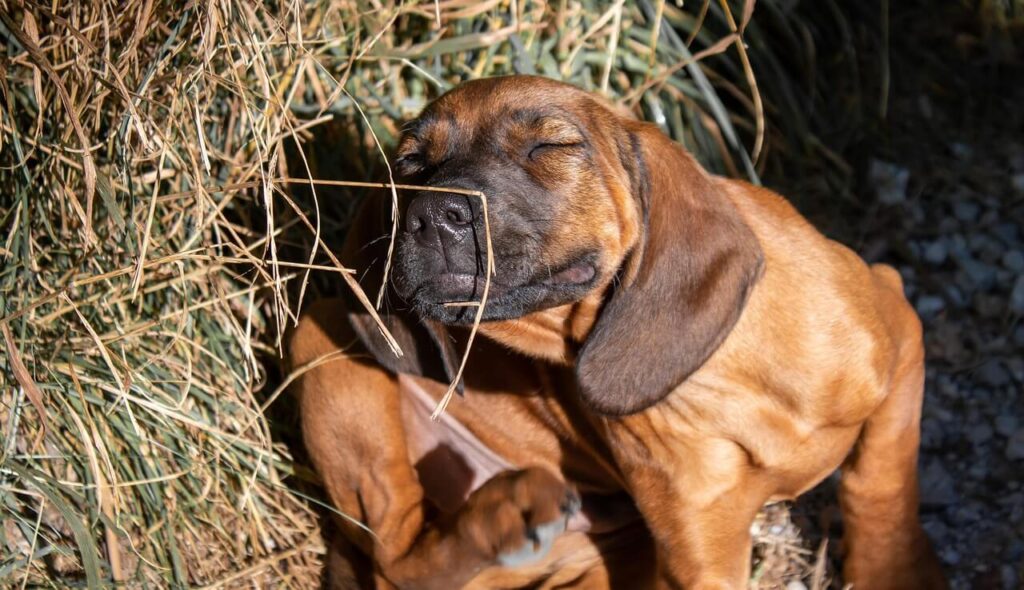
Start by checking for flea dirt as described earlier. Then look at the skin itself. Is it red, inflamed, or broken? Are there any patches of hair loss? Any hot spots? Does the ear smell or look unusual? Write down what you find and when the scratching seems worst.
If the scratching is severe, the skin looks broken or infected, there is significant hair loss, or your dog seems genuinely distressed, a vet visit should happen within the next day or two rather than watching and waiting. Broken skin can become infected quickly and some conditions like mange and hot spots worsen fast without treatment.
For mild, generalised itching without skin damage, trying a hypoallergenic diet for eight weeks, switching to a gentle oatmeal-based shampoo, treating with a vet-recommended flea preventative as a baseline, and washing bedding frequently are all reasonable first steps while you monitor.
Whatever the cause turns out to be, constant scratching is your dog communicating that something is uncomfortable. It is worth taking seriously, even when the answer takes a little time to find.