
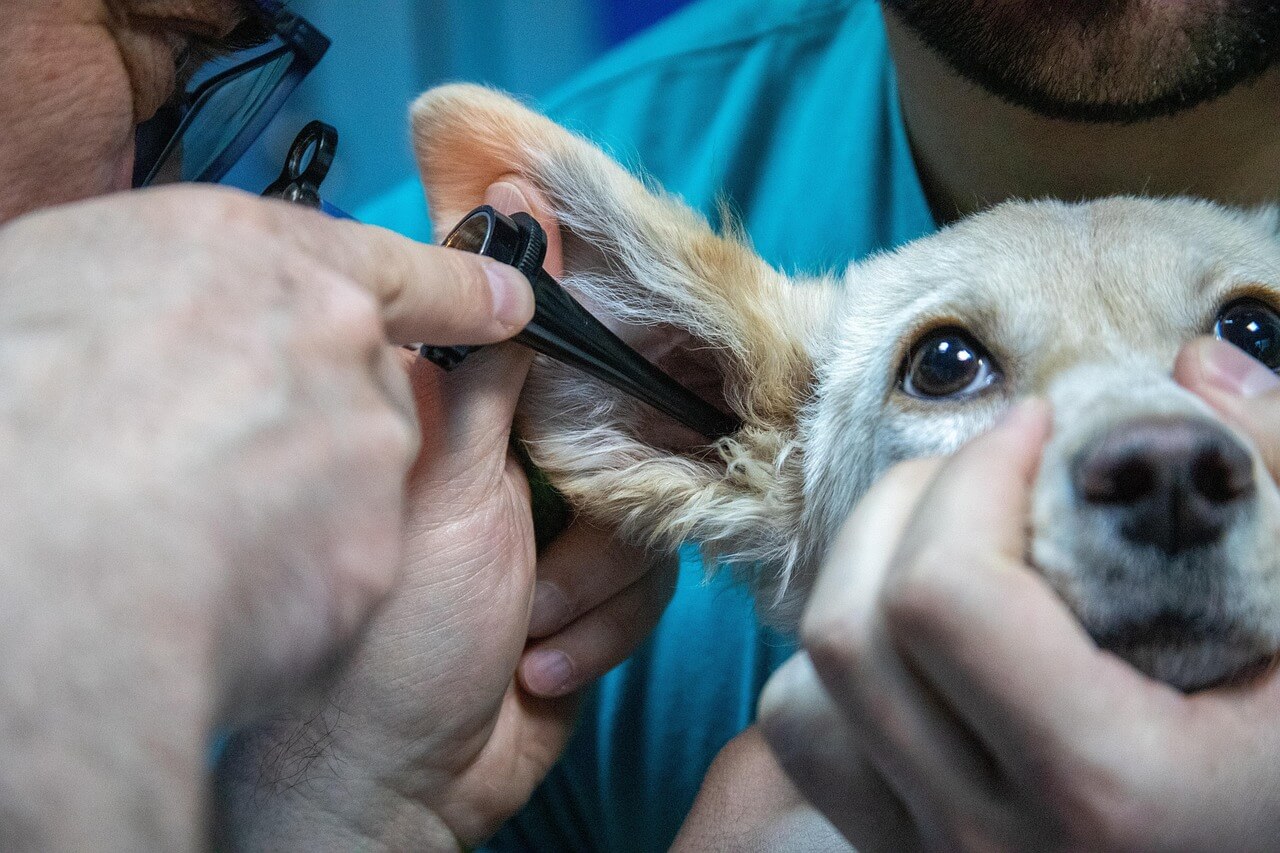
I almost missed my dog’s first ear infection completely. Bruno was scratching at his ear more than usual but I figured it was just a random itch. He shook his head a few times during walks but I put it down to flies bothering him. It was only when I noticed a smell coming from his ear during a cuddle on the sofa that I actually stopped and took a proper look.
By that point the infection had been building for at least a week. The vet said catching it earlier would have meant a shorter course of treatment and less discomfort for him. I felt genuinely bad about it because the signs were there the whole time. I just did not know what I was looking for.
If you are wondering how to tell if your dog has an ear infection, this is everything you need to know. The early signs, the ones that are easy to miss, the more obvious ones, what causes them, and exactly when you need to stop waiting and get to the vet.
Why Dog Ear Infections Are So Common
Before getting into the signs it helps to understand why ear infections happen so frequently in dogs. The shape of a dog’s ear canal is the main reason. Unlike human ears which run almost horizontally, a dog’s ear canal drops vertically before turning at an angle. That L-shaped structure is fantastic for hearing but terrible for drainage and airflow.
Moisture, wax, and debris collect in that curve and sit there. Bacteria and yeast thrive in warm, moist, dark environments, which is exactly what the inside of a dog’s ear provides. Add in factors like floppy ears that trap heat and reduce airflow even further, or a dog that loves swimming, and you have the perfect conditions for an infection to develop.
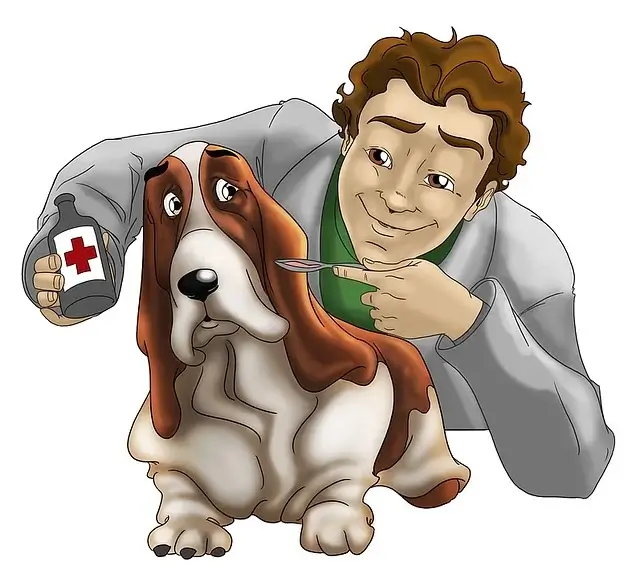
Some breeds are simply more prone to ear infections than others. Cocker Spaniels, Basset Hounds, Golden Retrievers, Labrador Retrievers, Poodles, and Shar Peis all deal with ear infections far more frequently than short-eared breeds. If you have one of these dogs, ear checks should be a regular part of your routine no matter what.
Allergies are another massive contributor that most people do not connect to ear problems. Dogs with food allergies or environmental allergies very commonly develop recurrent ear infections as one of their main symptoms. If your dog keeps getting ear infections even with good cleaning habits, allergies are worth discussing with your vet.
Early Signs That Something Is Wrong
These are the signs that show up before the infection is obvious. Most owners miss them because they seem minor or unrelated to ears specifically.
More head shaking than usual. Every dog shakes their head occasionally. It means nothing on its own. But if you notice your dog shaking their head repeatedly throughout the day, several times in a row or coming back to it every hour, that is a signal. They are trying to dislodge whatever is irritating them inside the ear canal.
Scratching at one ear. Dogs scratch their ears sometimes, just like we scratch our heads. The difference with an ear infection is that it tends to be one specific ear, it happens repeatedly, and your dog often looks frustrated or uncomfortable while doing it. Some dogs paw at the side of their face rather than directly at the ear. That counts too.
Tilting the head to one side. If your dog is holding their head at a slight tilt, especially consistently in the same direction, the ear on the lower side is almost always the one that is bothering them. This is one of the clearest early signals and one that owners sometimes attribute to the dog just being curious or listening to something.
Rubbing the ear on furniture or carpet. When the itch is bad enough that pawing at it is not cutting it, dogs start rubbing their head along the floor, the sofa, or the carpet trying to get relief. If you see your dog doing this it is worth checking their ears immediately.
More Obvious Signs the Infection Has Progressed
If the early signs were missed, these are what show up next. By this point the infection is established and needs veterinary treatment.
A noticeable smell. This is usually what finally gets people’s attention. A healthy ear has a very faint, neutral smell or no smell at all. An infected ear smells distinctly unpleasant. Some infections have a yeasty, sweet smell similar to bread or corn chips. Bacterial infections tend to smell more pungent and foul. Either way, if you lean near your dog’s ear and notice any kind of odor that was not there before, that is not normal.
Discharge or buildup in the ear. Take the ear flap and fold it back gently. A normal ear has a small amount of light brown wax. An infected ear often shows dark brown or black discharge, sometimes a lot of it. The discharge can also be yellow or greenish if there is a significant bacterial infection present. Any discharge that looks unusual in color or quantity is a sign that something is wrong.
Redness and swelling. The inside of a healthy ear is light pink and smooth. An infected ear looks red, angry, and sometimes noticeably swollen. The skin might look raw or irritated. In severe cases the ear canal itself can be so inflamed that it partially closes, which is called stenosis and makes treatment more complicated.
Crusty or scabby skin around the ear. Constant scratching causes secondary damage to the skin around and behind the ear. If you see crusty patches, scabs, or areas where the fur has thinned from repeated scratching, that tells you the irritation has been going on for a while.
Whimpering or pulling away when you touch the ear. Dogs in ear pain become sensitive about having their head handled. If your dog who normally loves being stroked suddenly flinches, pulls away, or makes noise when you touch near their ear, that is pain. Take it seriously.
How to Tell If Dog Has Ear Infection vs Just Dirty Ears
This is a question that trips a lot of owners up. A dirty ear and an infected ear can look similar at first glance but there are differences.
A dirty ear has wax buildup that looks light to medium brown, does not smell strongly, and your dog shows no signs of discomfort. A gentle clean with a proper ear cleaning solution sorts it out. If you want to know how to do that properly at home check our full guide on how to clean dogs ears at home step by step which walks through the whole process safely.
An infected ear has discharge that is darker, thicker, or an unusual color. It smells. Your dog is uncomfortable. The skin inside looks red rather than the normal pink. The difference is not just visual, your dog’s behavior tells you a lot. A dog with dirty ears might not notice them at all. A dog with an ear infection is almost always showing some behavioral sign that something is wrong.
One more thing worth mentioning here is ear mites. These are tiny parasites that also cause dark discharge and itching, and they are sometimes mistaken for a bacterial or yeast infection. Ear mite discharge tends to look like dark, crumbly coffee grounds. If you have multiple pets and all of them seem to be scratching at their ears at the same time, mites are more likely than a coincidental infection in every animal. Your vet can confirm which one it is with a quick swab and microscope check.
What Causes Dog Ear Infections
Understanding the cause matters because it affects treatment and prevention. There are three main types of ear infection in dogs.
Bacterial infections are the most common. They often follow moisture getting trapped in the ear after swimming or bathing. The warm, wet environment allows bacteria to multiply quickly.
Yeast infections are the second most common type. They tend to produce that sweet or musty smell and dark brown to black discharge. Dogs with allergies are especially prone to yeast overgrowth in the ears because inflammation changes the environment of the ear canal in ways that favor yeast growth.
Mixed infections involve both bacteria and yeast at the same time. These are unfortunately common and require treatment that covers both types of organism simultaneously.
Foreign objects like grass seeds can also cause ear infections if they work their way into the canal and are not removed. This is worth considering if your dog has been in long grass and develops a sudden onset ear problem.
When To See the Vet Immediately
Some situations need a vet visit the same day rather than a wait and see approach.
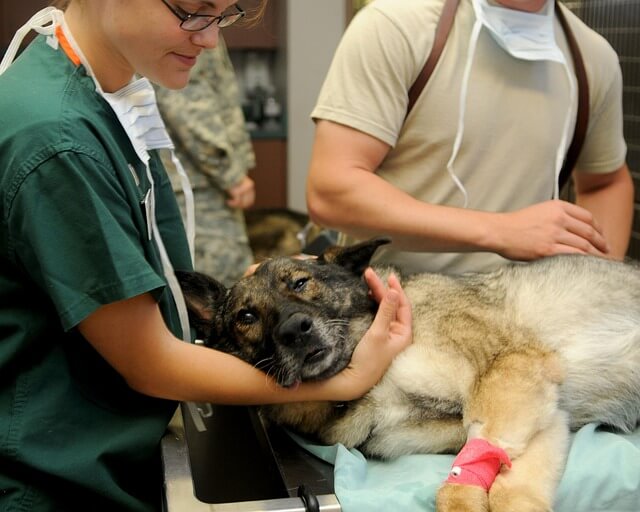
If your dog is in obvious pain, crying when you touch the ear, or not letting you near their head at all, that is same day territory. If there is any blood in the discharge or the ear looks seriously swollen, do not wait. If your dog has lost their balance, is walking in circles, or seems disoriented alongside the ear symptoms, that could indicate the infection has progressed to the middle or inner ear, which is a more serious situation requiring urgent attention.
Never try to treat an ear infection at home with over the counter drops without a vet confirming what type of infection it is. Bacterial infections need antibiotics. Yeast infections need antifungals. Using the wrong treatment at best does nothing and at worst creates resistant organisms that are harder to treat later.
What Happens at the Vet
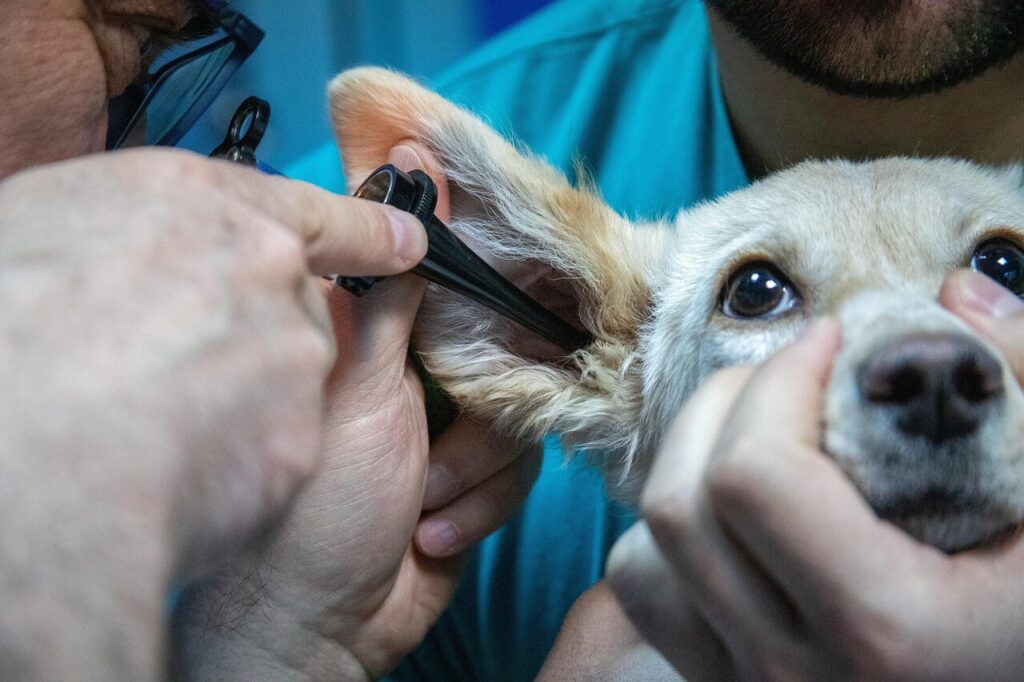
Your vet will look into the ear canal with an otoscope, take a swab from the ear, and look at it under a microscope. This tells them within minutes whether they are dealing with bacteria, yeast, or mites, and in many cases which specific bacteria are present. From there they prescribe the appropriate ear drops, usually a combination product that covers the most likely culprits, and give you instructions on how to apply them.
Most straightforward ear infections clear up within one to two weeks of treatment. Your vet will likely want a follow up appointment to confirm the infection has resolved completely before stopping medication, because stopping too early is one of the main reasons infections come back.
Preventing Ear Infections Before They Start
Regular ear maintenance is the single most effective thing you can do. Checking your dog’s ears once a week takes thirty seconds and gives you a baseline so you notice quickly when something changes.
After every bath or swim, dry the inside of the ear flap with a soft towel and use a few drops of ear cleaning solution to help remove any moisture from the canal. Dogs with floppy ears benefit from having the ear flap gently held up for a few minutes after swimming to allow airflow in.
Keeping the overall health of your dog strong through good nutrition and regular care makes a real difference to how frequently infections occur. Dogs with strong immune systems fight off the bacteria and yeast that cause infections more effectively. Our guide on 10 responsible pet care tips covers the full picture of keeping your dog healthy from the inside out.
If your dog has recurrent ear infections despite good cleaning habits, talk to your vet about allergy testing. Treating the underlying allergy often stops the ear infections from coming back without any other changes needed.
The Bottom Line
Learning how to tell if your dog has an ear infection is one of those things that seems small until you watch your dog suffer through one that could have been caught earlier. The signs are there if you know what you are looking at. Head shaking, scratching, tilting, smell, dark discharge, redness. Any one of those on its own might be nothing. Two or three together almost always means something is wrong.
Check your dog’s ears regularly. Clean them properly and consistently. And when the signs point to an infection, get to the vet quickly. Early treatment means less pain for your dog and a shorter road to recovery. That is worth paying attention to.