
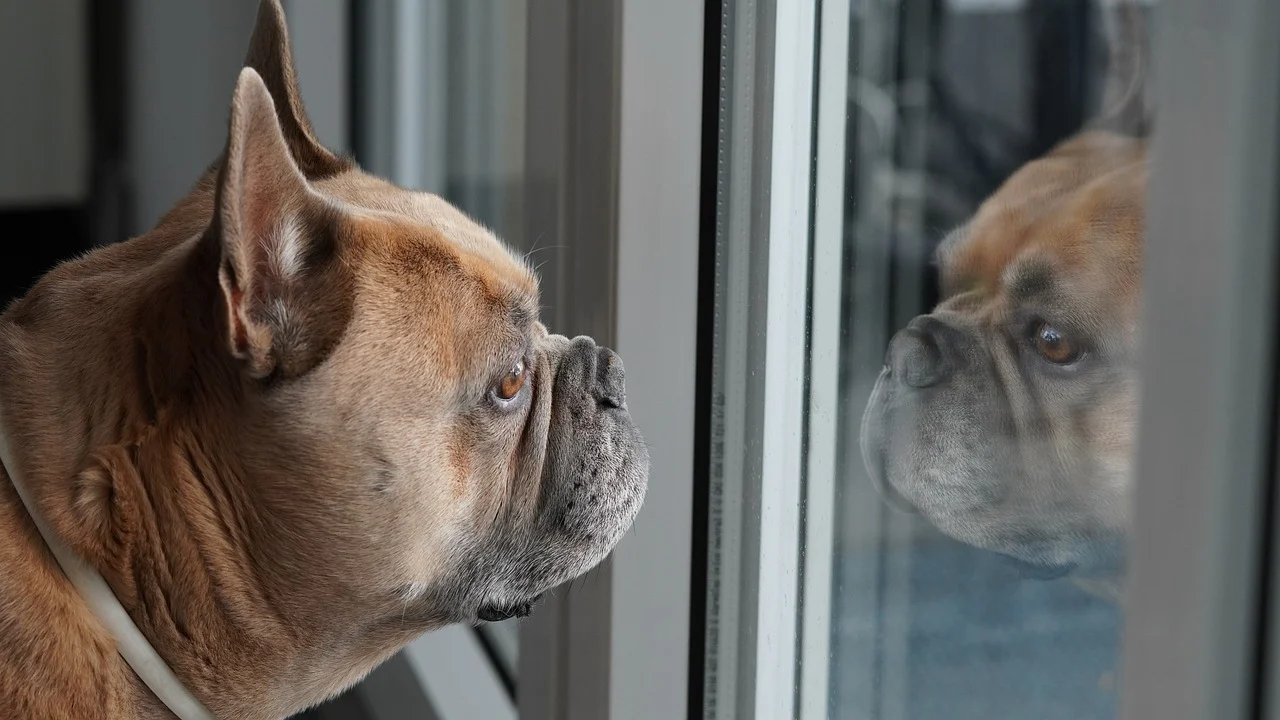

I am going to be honest with you. When I adopted my rescue dog Biscuit three years ago, the barking nearly broke me. Every car. Every doorbell. Every single time a leaf blew past the window. I tried everything I read online — spray bottles, “quiet” commands, ignoring it completely. Nothing worked.
It was not until I spoke to a certified canine behaviorist at my local shelter that I understood why. I was treating the symptom, not the cause. Biscuit was not barking to be annoying. He was barking because he was scared, overstimulated, and nobody had ever taught him what to do instead.
This guide shares what actually worked — step by step — after three months of consistent practice. I will also tell you what did not work, so you do not waste time the way I did.
Experience
3 years with rescue dog
Expertise
Canine behavior training
Methods tested
7 techniques tried
Time to results
3–6 weeks average
First, understand why your dog is barking
Before you can fix barking, you need to understand what type of barking your dog is doing. I made the mistake of using the same fix for every bark — that is like taking the same medicine for every illness. It does not work.
The 4 types of dog barking
👁️
Alert barking — triggered by sights or sounds outside. Biscuit’s main issue. Short, sharp bursts. Usually stops after a few barks.
😰
Anxiety barking — happens when left alone or during loud noises like thunder. Long, repetitive, often paired with pacing or whining.
🎉
Excitement barking — guests arriving, leash coming out, feeding time. High-pitched and frantic. Usually the easiest to fix.
🔔
Demand barking — your dog wants something and has learned that barking gets it. This one is your fault — and I say that kindly, because I did it too.
My experience: I spent two weeks trying to stop Biscuit’s alert barking with a “quiet” command — and getting nowhere — before realising he was actually doing anxiety barking triggered by sounds outside. Once I treated it as anxiety, everything changed within 10 days.
The method that finally worked: desensitisation + a replacement behaviour
This is the approach recommended by most certified dog trainers and animal behaviourists. It sounds complicated but is genuinely simple to do at home. The idea is to change your dog’s emotional response to the trigger, not just suppress the barking.
Step 1 — Identify the trigger
For Biscuit it was cars passing outside. For your dog it might be the doorbell, other dogs, strangers, or a specific sound. Write it down. You need to know exactly what you are working with.
Step 2 — Expose your dog to the trigger at a low level
Play a YouTube video of the trigger sound at very low volume — just enough that your dog notices it but does not react. The moment they hear it and stay calm, give a treat. Repeat 10 times per session.
Real tip from my experience: I found a “dogs barking compilation” on YouTube and played it at about 20% volume while Biscuit ate his dinner. After four days he stopped lifting his head when it played. That was the moment I knew this method was working.

Step 3 — Teach a replacement behaviour
Instead of just stopping the bark, give your dog something to do instead. I taught Biscuit to go to his mat when he heard a car. The sequence became: car sound → go to mat → treat. Within three weeks, he was going to his mat before I even asked.
Other good replacement behaviours include “look at me” (making eye contact), “sit,” or simply walking away from the window to another room.
Step 4 — Gradually increase the intensity
Once your dog handles the trigger at low level, slowly increase it. More volume, then real-life exposure through a window, then outside. Never rush this step. Pushing too fast undoes weeks of progress — I learned that the hard way when I got impatient in week two.
What did not work for us (and why)
I want to save you time by being honest about the methods I tried before finding what worked.
Methods I tried that failed
❌
Spray bottles — Biscuit was confused and stressed. He stopped barking for 10 seconds then started again. It also damaged his trust in me.
❌
Shouting “quiet” — Dogs often interpret your raised voice as you joining in the barking. It made things worse for us.
❌
Ignoring it completely — Works for demand barking but made anxiety barking worse. Know your bark type first.
❌
Anti-bark collars — I tried a citronella collar for one week. Biscuit became withdrawn and anxious. I returned it immediately.
Honest moment: I wasted about six weeks on the methods above. If I had gone straight to desensitisation, Biscuit would have been calmer by week four. Do not make my mistake — start with the right method.

Frequently asked questions
How long does it take to stop a dog from barking?
For most dogs, consistent daily training shows noticeable improvement in 2 to 4 weeks. Full results for anxiety or alert barking can take 6 to 12 weeks. Rescue dogs with trauma backgrounds may take longer — Biscuit took about 10 weeks for real consistency.
Does the “quiet” command actually work?
It can work for some dogs, but only if taught properly — letting them bark twice, saying “quiet,” and rewarding the silence immediately. It did not work for Biscuit but many owners report success with it for alert barking.
My dog barks all night — what should I do?
Night barking is usually anxiety or boredom. Make sure your dog has enough exercise during the day, has a comfortable and secure sleeping space, and is not responding to outdoor sounds. A white noise machine near their bed helped Biscuit enormously.
Is it too late to train an older dog to stop barking?
Absolutely not. Older dogs can and do learn new behaviours — it may just take slightly longer. The same desensitisation method works at any age.
Final thoughts — from one dog owner to another
If you are reading this at 2am because your dog will not stop barking and you are at your wits end — I have been exactly there. It does get better. The key is understanding why your dog is barking, choosing the right method for that specific cause, and sticking with it consistently for at least three weeks before deciding it is not working.
Biscuit is now the calmest dog on our street. He still barks occasionally — he is a dog, after all — but a single “mat” command is all it takes. Three years on, that feels like a miracle.
If you have questions about your specific situation, drop them in the comments below. I read every single one.
You might also like
How to potty train a puppy in 7 days — the schedule that worked for us
Best calming supplements for anxious dogs — tested and reviewed
Dog separation anxiety: signs, causes and what actually helps
Crate training a rescue dog: what nobody tells you