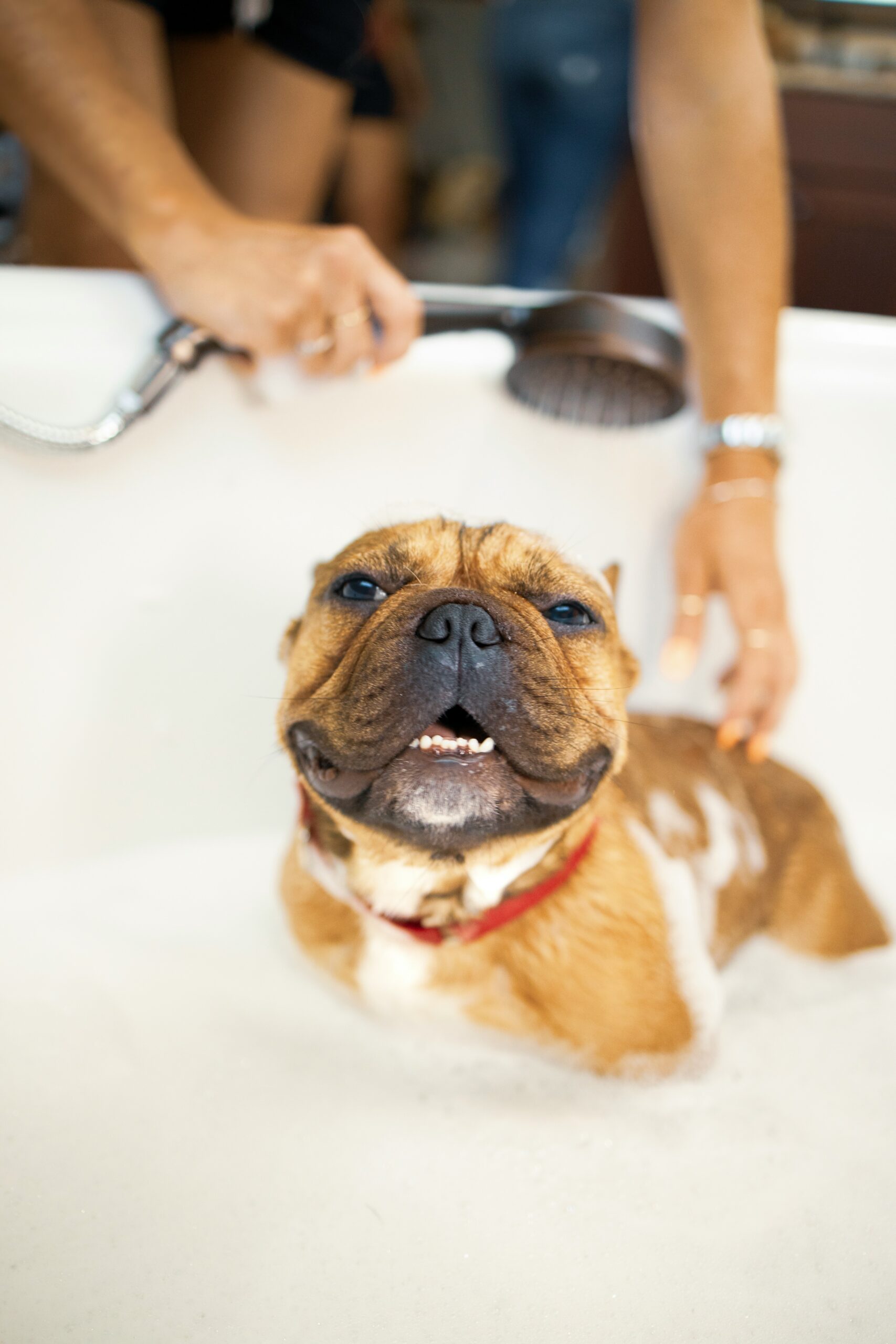
How Often Should You Bath Your Dog? . There are very few questions that cause such disagreements among dog owners. Some wash their dogs every week while others haven’t had their dog washed for years. The simple answer is that no one schedule will work for all dogs; it varies depending on your dog’s fur, skin, lifestyle, and health.

Find the Right Rhythm (this guide) 10. Recover From Playing With Some rest instructions for recovering from playing 11. 5 Diagnostic Tests to Help You Know What’s Going on (this guide) We’re happy you’re here.
The Short Answer
How Often Should You Bath Your Dog? The short answer here is that most healthy dogs should be bathed about every 4 to 8 weeks. Depending on the dog, that number might be more or less. Most vets give the general (not at all hard and fast) number of every month as a guideline.
Why Over-Bathing Is a Real Problem
How Often Should You Bath Your Dog? Understanding Dog Skin Care Not all skin is the same. Dog skin is thinner, has a different pH, and needs natural oils to keep it healthy. Wash too often and with the wrong shampoos, and these natural oils can be stripped away which can result in:
- Dry, flaky skin and dandruff
- Itchiness and irritation
- A dull, brittle coat
- Increased risk of skin infections
- The paradoxical emergence of a “doggy” odor with excess skin oil secretion to compensate
There are problems with under-bathing as well– matted coats, accumulation of dirt, pollen and other allergens and of course, SMELLY! It’s all about finding that happy medium.
Factors That Determine Bath Frequency
- Coat Type
Short, smooth coats (Beagles, Boxers, Labradors): Every 6 to 8 weeks is generally sufficient. Brushing between bathing takes care of most maintenance.
How Often Should You Bath Your Dog? Double coats (Huskies, Golden Retrievers, German Shepherds): Every 8 to 12 weeks. Their dense undercoat acts as a good barrier to dirt and washing them too often can strip away this protection. Brushing between baths is more important.
Long or silky coats : 3-4 weeks as they tangle and attract things.
Curly or non-shedding coats (Poodles, Bichons, Doodles): 3-6 weeks, most often combined with professional grooming, since they never shed and their hair continues to grow.
Wire coats (Terriers): Bring on every 6-8 weeks, and these dogs can often be more suited to hand-stripping rather than regular bathing.
Hairless breeds (Chinese Crested, Xoloitzcuintli): Usually weekly or every few weeks as they do not have hair to absorb skin oil and can become oily or develop blackheads.

2. Activity Level and Lifestyle
How Often Should You Bath Your Dog? If your pup spends the weekends swimming, hiking or in the mud, he’ll require more baths than your couch potato. If your dog gets into something of course he should be washed right away, even if it isn’t his scheduled washing day. Dogs that are in the water need a rinse of fresh water to rid them of chlorine, pond bacteria, salt and the like.
Signs Your Dog Needs a Bath
- A noticeable odor
- Greasy or sticky-feeling fur
- Visible dirt or mud
- You scratch too much (check with your vet if this continues)
- Dander or buildup on the coat
- Your pup has gotten into a no-no Great news! Don’t worry. Find out how to remove doggy odor from his coat by using the right mix of washes, shampoos and topical treatment. You can also explore dog deodorant, spray for smell, wipes, and more.
Indicators That You’re Overbathing
- Flaky, dry skin
- Red or irritated patches
- A dull coat
- More scratching after baths
- Skin that seems tight or sensitive
When you notice these, increase the interval in between washes and try a milder shampoo.
How to Give a Good Dog Bath
- Brush first. Use a slicker and comb to break up mats, tangles and loose hair. Wait until the coat is wet and mats are pressed together to try and remove, and you’ll be fighting an uphill battle.
- Douse yourself in warm water. Where can I buy hair dye? 3. How hot water can burn or scald The ideal temperature for warm water to rinse the hair in is usually 45 to 60 degrees Celsius.
- Use a dog-safe shampoo. Never use human shampoo on a dog because it is not designed for the dog’s skin pH and can be irritating. Opt for a gentle, soap-free or oatmeal-based shampoo if your dog has sensitive skin.
- Shield the face. Keep water and soap out of your child’s eyes, ears and nose. Use cotton balls in the ears and a damp washcloth for the face.
- Lather down (from neck to tail) in large strokes.
- Shampoo time. Leaving shampoo in your hair is a leading cause of post-bath pruritus. Be sure to rinse longer than you think you should.
- Dry well. Towel dry, and if your dog will, dry with a blowdryer on a low, cool setting. Moisture on the skin (particularly skin folds) will promote yeast and bacteria growth.
- Reward generously. Treats and praise help your dog to connect baths with good stuff.
Alternatives to Full Baths
How Often Should You Bath Your Dog? During the day, you don’t need to use washes to purify your dog’s skin:
- Brush regularly to help distribute natural oils, as well as remove dirt and loose hair.
- | Dog-safe grooming wipe for paws, belly, face | 4. Whether your pooch has been playing in the mud, or you’ve just been on an hour-long walk and don’t want to rush to the sink, paw wipes are a quick and easy way to freshen up your dog.
- Dog shampoos in the form of waterless or foam shampoos
- Paw rinses after walks
- Regularly wash bedding -An unwashed bed can instantly turn a clean dog back into a dirty dog.
Final Thoughts
Your dog’s tailored bath schedule is the optimal choice. Use the baseline for their coat type and then fine tune from there as to what is best for how your dog’s coat, skin, and smell, performs. When unsure, always opt to brush more and bath less. And remember to consult your groomer or veterinarian with questions.
A clean, comfortable, happy dog begins with taking notice of what your dog is trying to tell you.