My dog Milo stepped on the vet scale last year and I genuinely felt embarrassed. Not because I did not love him. Obviously I loved him. That was partly the problem. Every time he looked at me with those eyes I handed him another treat. Every time we skipped a walk because it was raining, I told myself one day would not matter.
The vet did not lecture me. She just pointed at the chart, showed me where Milo’s weight had crept over the past two years, and said “he is going to start having joint problems if we do not get this under control.” He was four years old. That hit differently than I expected.
What followed was several months of research, three food switches, and eventually finding what actually worked. This is everything I learned, including the specific foods I found that made a real difference and that you will not find listed on every generic pet blog out there.
7 Best Dog Foods for Weight Loss That Actually Deliver
1: Hill’s Science Diet Perfect Weight
This is the one my vet actually recommended by name and it is the one that worked fastest for Milo. Hill’s runs real feeding trials rather than just lab testing, which means their calorie and satiety claims are validated on actual dogs, not just calculated on paper. The Perfect Weight formula uses real chicken as the first ingredient and is clinically shown to help dogs lose weight within ten weeks when fed as directed.
It is available over the counter at most major retailers and vet clinics, no prescription needed for the regular version.
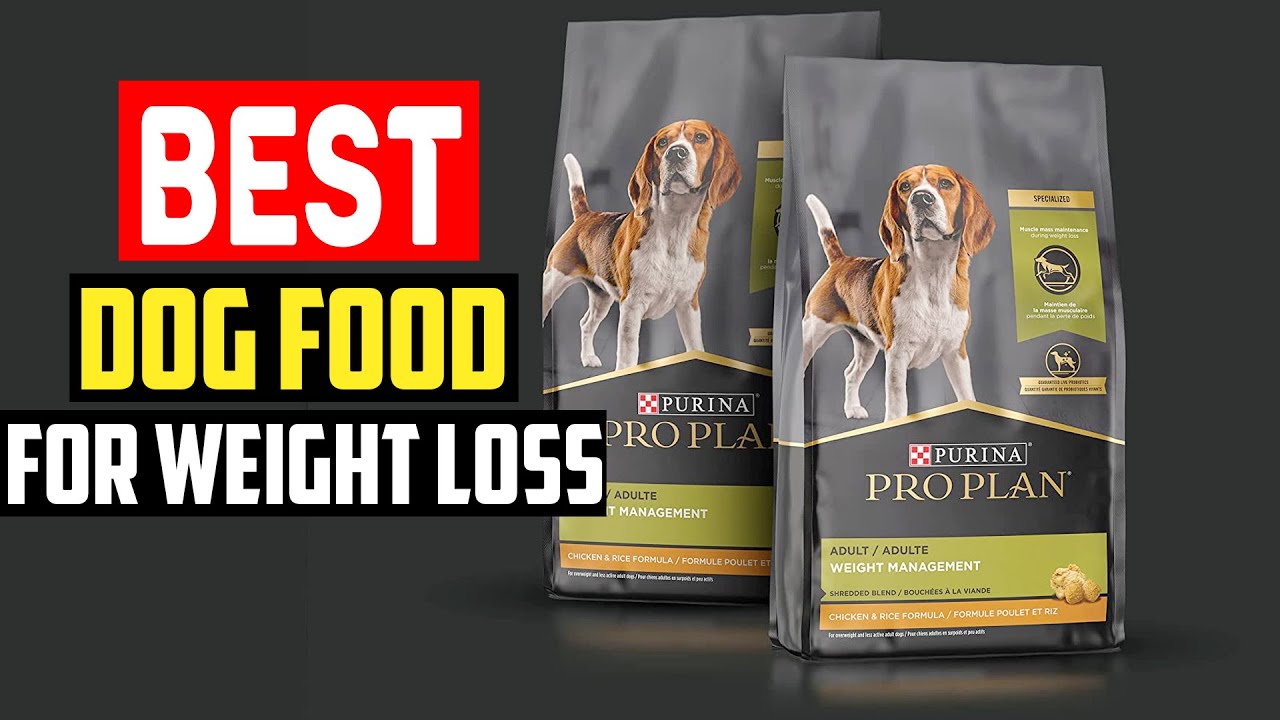
2: Purina Pro Plan Weight Management Chicken and Rice
If Hill’s is out of your budget, Purina Pro Plan’s Weight Management formula is genuinely the next best thing and considerably more affordable. It contains 30 percent protein, which is higher than most competitors, with real chicken as the first ingredient. The protein level matters because it keeps muscle mass intact while your dog is in a calorie deficit.
Purina has decades of nutritional research behind them and this specific formula has been used successfully by vets and foster families managing overweight shelter dogs for years. It also includes probiotics, which helps with the digestive adjustment when you switch foods.
3. Wellness CORE Reduced Fat
This is the one I switched to after Milo had been on Hill’s for a few months and I wanted something grain free with a slightly different protein source. Wellness CORE Reduced Fat has 25 percent less fat than their original formula but keeps the protein high at 42 percent. The main protein is deboned turkey, which is lean and easy to digest.
What I like about this formula is the ingredient list. Real turkey, chicken meal, peas, pea fiber, salmon oil, blueberries, kale, sweet potatoes. It reads like actual food, not a chemistry experiment. It is also made in the USA with no artificial preservatives, corn, wheat, or soy.
4. Royal Canin Satiety Support (Prescription)
If your dog is significantly overweight and your vet wants a clinically controlled approach, Royal Canin Satiety Support is the gold standard prescription option. It uses a proprietary fiber blend that genuinely seems to reduce begging behavior. Royal Canin reports that 97 percent of dogs lost weight within three months on this formula and that it controlled begging in 83 percent of dogs during the weight loss period.
The prescription requirement is actually a feature here, not a drawback. It means you are using it with vet monitoring and regular weigh-ins, which is exactly how serious weight loss in dogs should be managed.
5. Blue Buffalo Life Protection Healthy Weight
Blue Buffalo gets mixed reviews online but the Life Protection Healthy Weight formula is genuinely solid for the price point. It uses real deboned chicken as the first ingredient, includes their LifeSource Bits which are cold-formed to preserve nutrients, and avoids chicken by-products, corn syrup, and artificial preservatives.
For owners who want a natural ingredient approach without the premium price tag of Wellness or Hill’s, this is one of the better value options. It works well for moderately overweight dogs who do not need a prescription-level intervention.
6. IAMS Proactive Health Healthy Weight Control
IAMS does not get talked about as much as the premium brands but their Healthy Weight Control formula does a genuinely good job for budget-conscious owners. It contains real chicken as the first ingredient, includes L-carnitine which supports fat metabolism, and is formulated to help dogs feel full longer through a beet pulp fiber blend.
At under twenty dollars for a seven pound bag at most retailers it is one of the most accessible weight management foods on the market. It is not the flashiest ingredient list but the nutrition profile is sound and it has solid long term results for dogs that simply need calorie control rather than a specialty diet.
7. Nom Nom (Now Fresh Personalized Meals)
This one is different from everything else on the list because it is fresh, human-grade food delivered to your door portioned specifically for your dog’s weight loss goals. You enter your dog’s current weight, target weight, age, and breed and they calculate the exact calorie intake needed and portion every meal accordingly.
The ingredient quality is exceptional. Real whole foods, no fillers, no rendered meals, no preservatives. For dogs that have not responded to conventional weight management kibble or for owners who want the most control possible over what their dog is eating, this is the premium option.
It costs more than kibble, but for a dog that genuinely needs to lose weight and has not been responding to other methods it is worth the investment.
What to Look for When Choosing a Weight Loss Dog Food
Beyond brand names, here is what the label should actually show you:
Protein first. The first ingredient should always be a named protein source like chicken, turkey, or salmon. Not corn, not meat meal, not by-products.
Lower fat content. Most weight management foods run between 8 and 12 percent fat on a dry matter basis. Regular adult food typically runs 15 percent or higher.
Higher fiber. Fiber adds bulk without adding calories. Look for ingredients like pea fiber, beet pulp, or tomato pomace in the ingredient list.
L-carnitine. This amino acid supports the body in converting fat into energy. It shows up in several of the formulas above and it genuinely helps.
AAFCO statement. The label should say the food meets AAFCO nutritional guidelines for adult maintenance at minimum. This confirms it is a complete and balanced diet even at reduced calorie levels.
How Long Does Dog Weight Loss Actually Take
Most dogs on a properly portioned weight loss diet lose between half a percent and two percent of their body weight per week. For a 60 pound dog that needs to get to 50 pounds, that is roughly three to five months of consistent feeding.
You should start seeing a visible difference in waist definition within six to ten weeks if you are measuring portions accurately. If there is no change after eight weeks of strict portion control, tell your vet because thyroid issues and other metabolic conditions can slow or block weight loss entirely.