
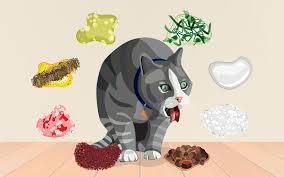
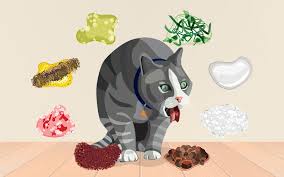
Why Is My Cat Vomiting . My cat Mochi threw up four times in one afternoon last spring and I genuinely started Googling emergency vets at 11pm. Turned out she had eaten too fast and her stomach was just irritated. But I did not know that in the moment, and the panic was real.
If you are asking why is my cat vomiting, you are probably in that same uncertain place. Is this serious? Is this just a hairball thing? Should I be worried? The honest answer is it depends, and what it depends on is mostly about what is coming up, how often it is happening, and what your cat looks like between episodes.
This is everything I know about cat vomiting, what the different types mean, and exactly when you need to stop reading and call a vet.
First, Understand That Cats Vomit More Than Most Animals
Cats are unusual in that they vomit fairly regularly compared to dogs or humans, and not always because something is seriously wrong. Their digestive systems are sensitive, their grooming habits mean they swallow a lot of fur, and they are prone to eating too fast. So a cat that vomits once every week or two is not automatically a sick cat.
The problem is that occasional vomiting can look exactly the same as the early stages of something serious. That is why understanding the details, the color, the timing, the content, the frequency, matters so much.
Why Is My Cat Vomiting Yellow Liquid?
Yellow vomit in cats is one of the most searched things for a reason. It is alarming to look at and people want to know what it means.
The yellow color comes from bile, which is a digestive fluid produced in the liver and stored in the gallbladder. When a cat vomits on an empty stomach, bile comes up along with whatever little liquid is in there, and the result is that yellow or greenish-yellow liquid that looks much worse than it usually is.
The most common reason for this is that your cat has gone too long without eating. This is especially common in cats that get fed once or twice a day and vomit in the early morning before breakfast. Their stomach has been empty for hours, acid and bile build up, and vomiting is the result. This is sometimes called bilious vomiting syndrome, and the fix is often as simple as giving a small meal before bed or switching to smaller, more frequent meals throughout the day.
That said, yellow vomit can also point to more serious things like liver disease, pancreatitis, inflammatory bowel disease, or a blockage. If your cat is vomiting yellow liquid repeatedly over a short period, seems lethargic, is not eating, or is losing weight, those are signs you need a vet visit rather than a feeding schedule adjustment.
Why Is My Cat Vomiting After Eating?
Why Is My Cat Vomiting . If your cat throws up shortly after a meal, and what comes up looks like food that has barely been chewed, the most likely reason is that they ate too fast. Some cats, especially those who were strays or came from competitive multi-cat households, eat like they are racing someone. The food goes down too quickly, the stomach gets overwhelmed, and back it comes.
This is more of a habit problem than a medical one in most cases. Slow feeder bowls, puzzle feeders, or just spreading the food out on a flat plate so they have to eat less per bite can genuinely fix it within a week or two.
The other thing that can cause vomiting right after eating is a food intolerance or allergy. Why Is My Cat Vomiting , If your cat consistently vomits after eating a specific food, especially a new one you recently switched to, that is worth paying attention to. Common culprits are certain proteins like beef or fish, as well as artificial additives in lower-quality commercial foods. A food elimination trial with your vet can help identify the trigger.
Gastroesophageal reflux is also possible, particularly in cats that vomit immediately after eating or even while still eating. This is less common but does happen and usually needs vet-confirmed management.
Why Is My Cat Vomiting Undigested Food?
There is a difference between vomiting and regurgitation, and it matters here. Vomiting involves visible effort, heaving, and stomach contractions. Regurgitation is more passive, the food just comes back up with little warning, often in a tube shape that still looks like kibble.
When your cat is bringing up undigested food, it usually means the food never made it far enough into the digestive system to be broken down. This can happen with regurgitation linked to eating too fast, but it can also signal a problem with the esophagus or the valve between the esophagus and stomach.
If the undigested food vomiting is occasional and your cat otherwise seems fine, the eating-too-fast theory is worth testing first. But if it is happening regularly, if your cat seems uncomfortable after eating, if they are losing weight, or if they are avoiding food altogether, those are signs of something that needs investigation.
Megaesophagus is one condition where the esophagus loses muscle tone and cannot move food down properly. It is not super common but it does occur and it causes exactly this pattern of bringing up undigested food shortly after eating.
Why Is My Cat Vomiting So Much?
Why Is My Cat Vomiting . This is the question that usually brings people to the vet, and rightfully so. Occasional vomiting is one thing. A cat that is vomiting multiple times a day or every day for more than a couple of days is a cat that needs to be seen by a professional.
Chronic vomiting in cats has a long list of potential causes. Some of the more common ones include:
Hairballs are the obvious starting point. Cats groom constantly and swallow a lot of fur. Most of it passes through the digestive system, but some of it accumulates in the stomach and gets vomited up as those unpleasant cylindrical clumps. Long-haired breeds deal with this more than short-haired ones. Regular brushing, hairball prevention treats, or hairball-specific foods can reduce the frequency significantly.
Inflammatory bowel disease is actually one of the most common causes of chronic vomiting in middle-aged and older cats. The lining of the gut becomes chronically inflamed and the cat vomits frequently, often loses weight despite eating, and sometimes has diarrhea too. It requires a vet diagnosis, usually through bloodwork and sometimes a biopsy, and is managed with diet changes and sometimes medication.
Hyperthyroidism is extremely common in cats over ten. The thyroid gland overproduces hormones, which speeds up the metabolism and causes a whole range of symptoms including frequent vomiting, weight loss despite a ravenous appetite, increased thirst, and hyperactivity. A simple blood test confirms it and treatment options are very effective.
Kidney disease is another condition that shows up most in older cats. As the kidneys lose function, toxins build up in the blood, which causes nausea and vomiting. Other signs include increased drinking and urinating, weight loss, and bad breath with a chemical or ammonia smell.
Intestinal parasites like roundworms can cause vomiting, especially in outdoor cats or kittens. Sometimes you can actually see worms in the vomit, which is as unpleasant as it sounds. Deworming medication clears this up but a vet should confirm which type of parasite is involved first.
Pancreatitis, or inflammation of the pancreas, causes vomiting alongside lethargy, loss of appetite, and sometimes abdominal pain. It can be difficult to diagnose because the symptoms overlap with so many other conditions, but blood tests and ultrasound can help identify it.
When To Call the Vet Without Waiting
Some situations do not need a wait and see approach. Call your vet same day or go to an emergency clinic if your cat:
Is vomiting repeatedly within a few hours and cannot keep anything down. Is also having diarrhea at the same time as vomiting. Has blood in the vomit, which might look bright red or like dark brown coffee grounds. Seems in pain, is hunched over, or cries when you touch their belly. Has not eaten in more than 24 hours. Is very young, very old, or already managing another health condition. Might have swallowed something, a rubber band, a piece of string, a hair tie, a toy part.
Foreign body ingestion is particularly dangerous in cats because string-like objects can get caught in the intestines and cause life-threatening damage quickly. Cats love to chew on things like thread, tinsel, and hair ties, and none of that should ever be left accessible.
Helping Your Cat Feel Better at Home
Why Is My Cat Vomiting . If your cat has vomited once or twice and seems otherwise normal, bright eyes, normal energy, eating and drinking, there are some things you can do at home. Withhold food for a few hours to let the stomach settle, then offer a small amount of bland food like plain boiled chicken. Make sure fresh water is always available. Watch closely for any of the warning signs above.
You might also look at whether switching to healthier food options for your pets overall could reduce digestive upset long term. What goes into your cat matters as much as what comes back up.
The Bottom Line
Cats vomit. That is just the reality of living with one. But there is a real difference between occasional vomiting that is just part of being a cat and a pattern that is telling you something is wrong. Knowing what your cat’s normal looks like makes it much easier to spot when something is off.
When in doubt, call your vet. That is not an overreaction. It is just good ownership. https://petnurturenest.com/